2026 Top Laser Cladding Machine Trends for Global Buyers?
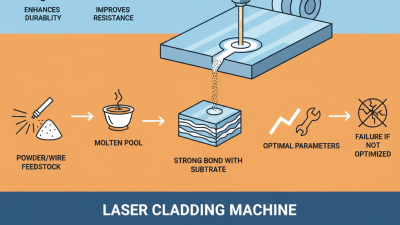
In the evolving landscape of manufacturing, the **Laser Cladding Machine** stands out as a transformative technology. This equipment enhances durability and performance across various industrial applications. As we approach 2026, emerging trends in laser cladding reveal unique opportunities for global buyers. The demand for cost-effective solutions drives innovation, yet challenges remain in the implementation phase.
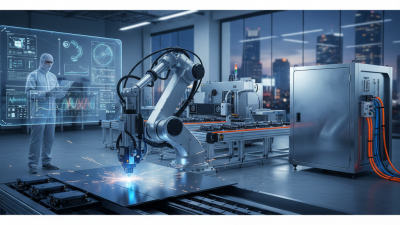
Advanced features in laser cladding systems have attracted significant interest. Buyers now seek machines that balance efficiency with ease of use. The integration of automation and artificial intelligence is becoming a standard requirement. However, many manufacturers still struggle to keep pace with these advancements. This gap highlights the need for continuous learning and adaptation.
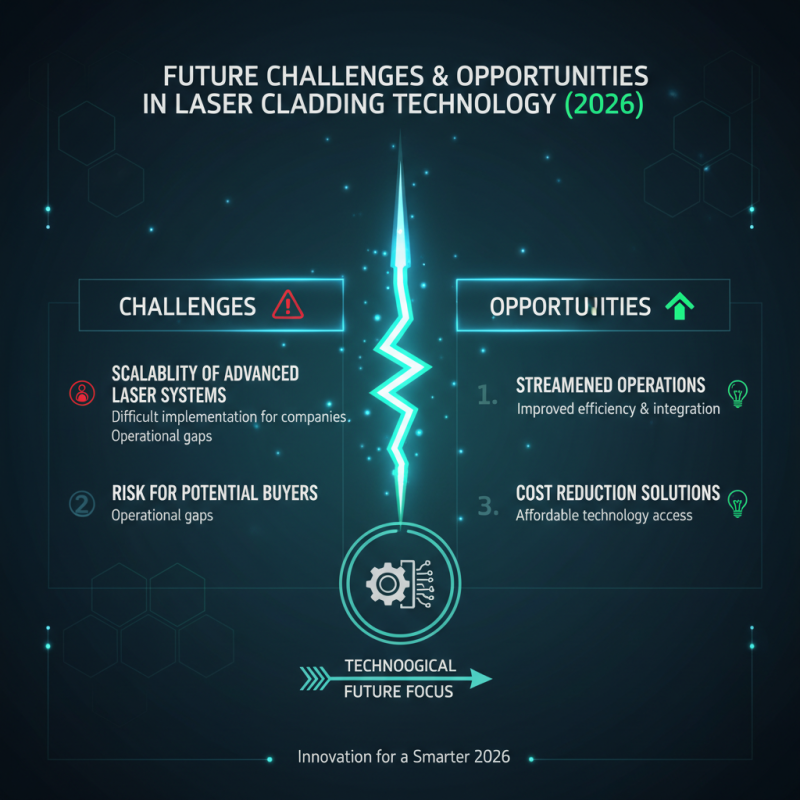
As technology progresses, the stakes are high for those in the market. Investing in the latest **Laser Cladding Machine** can be an advantage, but the choice is complex. Buyers must weigh the potential benefits against risks and costs. Reflecting on these trends can lead to informed decisions that foster long-term success in a competitive environment.

Emerging Technologies in Laser Cladding Machines for 2026
Emerging technologies in laser cladding machines are set to reshape the industry by 2026. Innovative advancements focus on improving precision, efficiency, and material versatility. Reports suggest that the global laser cladding market will reach approximately $1.75 billion by 2026, driven by increased demand for durable surface coatings in various industries.
One critical trend is the integration of AI and machine learning. These technologies optimize the laser cladding process, enhancing quality control and reducing waste. The ability to adapt in real-time can significantly improve operational efficiency. Moreover, reports indicate that companies employing AI can reduce defects by up to 30%.
**Tips:** Consider investing in technology that allows for predictive maintenance. It can save costs and downtime. Another important aspect is to assess the eco-friendliness of materials used. Sustainable practices not only improve brand image but also fulfill regulatory requirements.
In addition to these trends, hybrid systems combining traditional processes with laser cladding are emerging. However, the adoption rate varies. Some companies struggle with the integration of new technologies. This reflects a need for ongoing training and workforce development in the sector. Engaging your team in current trends will foster a culture of innovation and responsiveness.
Key Market Players in the Global Laser Cladding Industry
The global laser cladding industry is evolving rapidly. This growth is driven by the demand for advanced manufacturing solutions. Key players in the market are focusing on innovations to enhance efficiency and precision. Many companies are investing heavily in research and development. This commitment helps them stay competitive and meet customer needs.
With various technologies being explored, the competitive landscape is constantly shifting. New entrants are emerging, challenging established firms. Each player brings unique strengths and weaknesses. The industry's reliance on skilled technicians raises concerns about workforce availability. Addressing skill gaps is crucial for sustained growth.
Market dynamics are influenced by several factors. Economic fluctuations can impact investment capacity. Companies must also navigate supply chain challenges. The path forward is not without obstacles. Nevertheless, the drive for improved laser cladding solutions continues unabated. Exciting developments are on the horizon for global buyers seeking quality and reliability.
2026 Top Laser Cladding Machine Trends
This chart showcases the projected trends in the global laser cladding machine market for 2026, highlighting key performance indicators such as industry growth, market demand, technological advancements, cost reduction, and customer satisfaction.
Sustainability Trends Impacting Laser Cladding Machine Design
As sustainability continues to gain traction, laser cladding machine design is evolving to meet eco-friendly standards. Manufacturers are focusing on reducing material waste through optimized processes. For instance, machines are now designed to use less energy, leading to lower carbon footprints. This shift not only benefits the environment but also helps companies save on operational costs.
Another trend is the incorporation of recyclable materials into the manufacturing process. Companies are exploring bio-based alloys and eco-friendly coatings. However, challenges remain in sourcing these sustainable materials at scale. Buyers must consider the trade-offs between performance and environmental impact. There is a necessity to strike a balance between innovation and practicality in design.
Laser cladding technology is also exploring automated features and artificial intelligence. This aims to enhance efficiency and reduce human error. Nonetheless, it raises questions about reliance on technology within the creative process. Sustainability in design is not just about materials. It involves a holistic approach. Engaging various stakeholders in the design process ensures that multiple perspectives are considered.
Innovative Applications of Laser Cladding in Various Industries
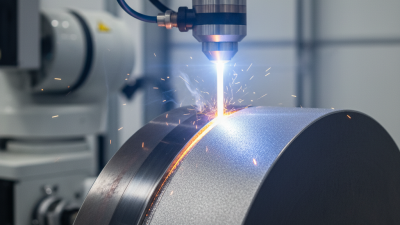
Laser cladding is transforming various industries through innovative applications. This technique enhances the properties of surfaces by depositing special materials. Industries such as aerospace, automotive, and manufacturing are increasingly adopting laser cladding to improve component durability and performance. According to industry reports, the global laser cladding market was valued at over $1 billion in 2022, with a projected growth rate of 5.9% annually through 2026.
In the aerospace sector, laser cladding repairs components like turbine blades, which are essential for efficient engine performance. This method reduces waste compared to traditional machining. Additionally, in the automotive industry, laser cladding is used to create wear-resistant coatings on critical parts, extending their lifespan. However, challenges persist.
Companies often face difficulties in achieving uniform coating thickness and in selecting suitable material combinations. Feedback from users suggests that these issues require continued research and development.
The manufacturing sector is witnessing applications in custom tooling and fixtures. Laser cladding allows for the creation of unique designs that traditional methods can’t easily replicate. Despite these advantages, some manufacturers report a steep learning curve associated with the technology.
Ongoing education and training are necessary to maximize the benefits of laser cladding. Stakeholders must prioritize refining processes to enhance reliability and efficiency.