What Are the Benefits of Using Laser Head Technology?
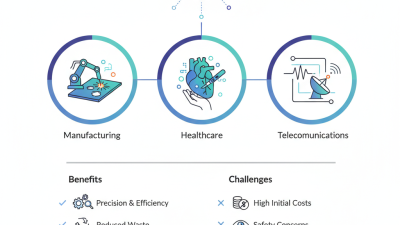
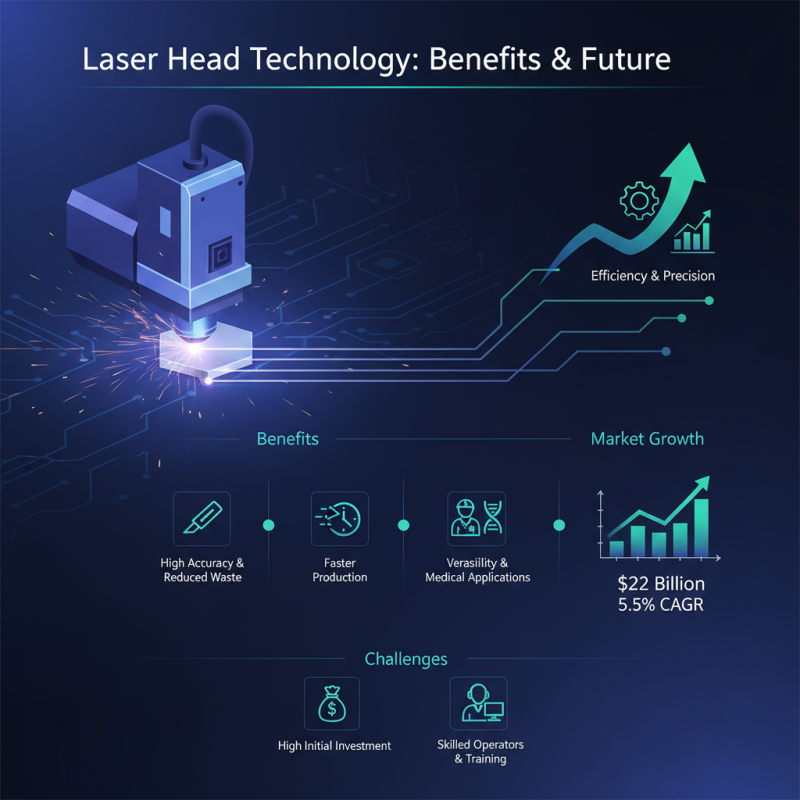
Laser Head technology has revolutionized various industries by enhancing efficiency and precision. According to a recent report by MarketsandMarkets, the global laser technology market is expected to reach $22 billion by 2026, reflecting a compound annual growth rate (CAGR) of 5.5%. This growth highlights the increasing reliance on advanced laser systems for applications ranging from manufacturing to medical procedures.
One significant advantage of Laser Head systems is their ability to cut and engrave materials with high accuracy. For instance, they outperform traditional methods, reducing material waste and production time. A study by the International Journal of Advanced Manufacturing Technology noted that laser cutting can improve production efficiency by up to 60%. However, the technology requires skilled operators to maximize its potential.
Yet, challenges remain. The high initial investment costs can deter small businesses from adopting Laser Head technology. Technical knowledge is essential to operate these systems effectively, emphasizing the need for continuous training. Despite these hurdles, the benefits in terms of versatility and precision cannot be overlooked, making Laser Heads a compelling choice for forward-thinking companies.
Advantages of Laser Head Technology in Medical Applications
Laser head technology is revolutionizing the medical field. With precision and control, it minimizes damage to surrounding tissues. According to a report by the American Society for Laser Medicine and Surgery, 85% of patients report less post-operative pain when lasers are used. This improvement enhances recovery times significantly.
In surgical applications, lasers can make incisions that are 10 times more accurate than traditional methods. A recent study showed that surgical lasers resulted in a 30% reduction in blood loss during procedures. This not only improves patient safety but also allows for quicker surgeries. However, the learning curve to master this technology can be steep, requiring comprehensive training for medical professionals.
Yet, some challenges remain. Not all hospitals can afford the initial investment for laser technology. Additionally, some practitioners may hesitate to adopt new techniques, relying on conventional methods. Continuous education and investment in this technology are essential for maximizing its benefits in patient care. The advantages are clear, but the barriers to access must be addressed.
Benefits of Using Laser Head Technology in Medical Applications
Enhanced Precision and Accuracy in Industrial Cutting Processes
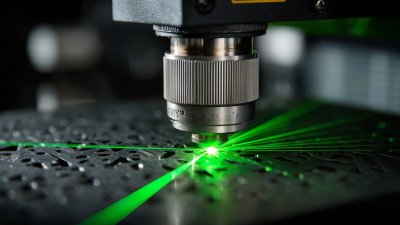
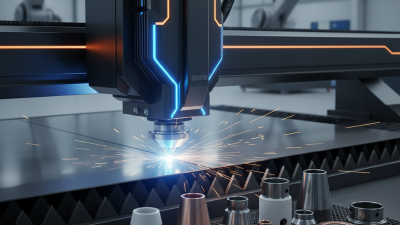
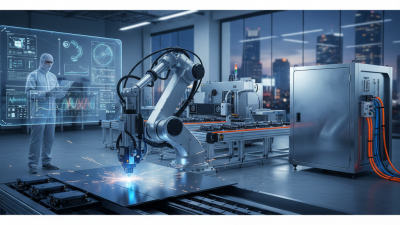
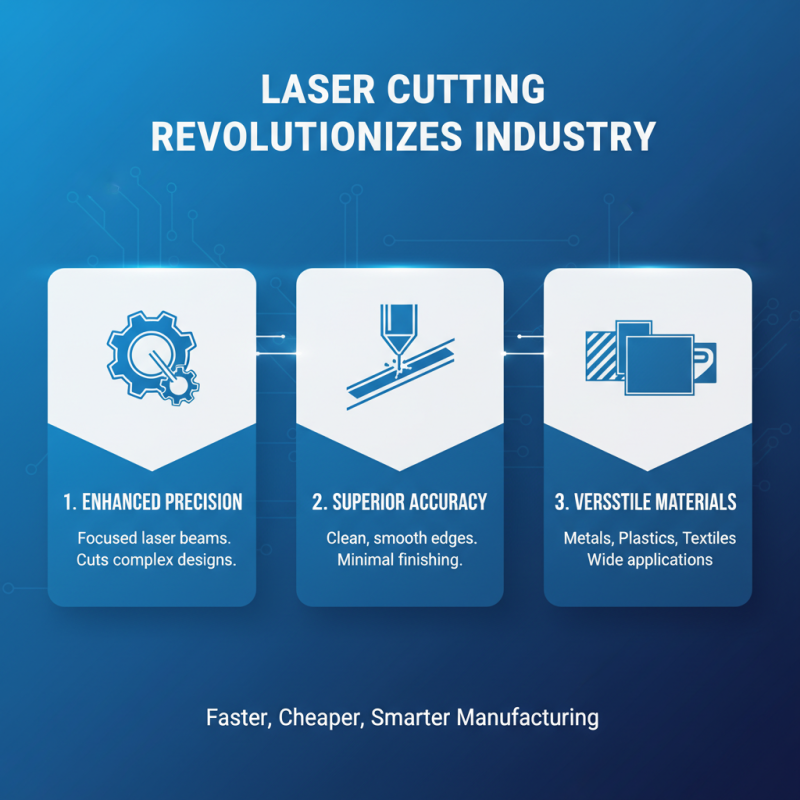
Laser head technology has revolutionized industrial cutting processes with its enhanced precision and accuracy. This technology utilizes focused laser beams to cut through a variety of materials, from metals to plastics. The result is clean, smooth edges that reduce the need for extensive finishing processes. Such precision allows manufacturers to create intricate designs that were once impossible or too costly to achieve.
In a fast-paced industrial environment, time is of the essence. Laser cutting significantly reduces production time. However, achieving optimal results requires skilled operators who understand the technology's nuances. Each material may respond differently to laser cutting, potentially leading to unexpected issues like warping or burning. It’s essential to fine-tune settings for each job.
Moreover, while laser cutting is precise, it can still produce minor imperfections. These can affect the final product's quality. Operators must regularly assess and adjust techniques to maintain high standards. Continuous learning and adaptation are crucial. This ensures that the benefits of laser technology are maximized while addressing its limitations.
Reduced Material Waste and Environmental Impact of Laser Technology
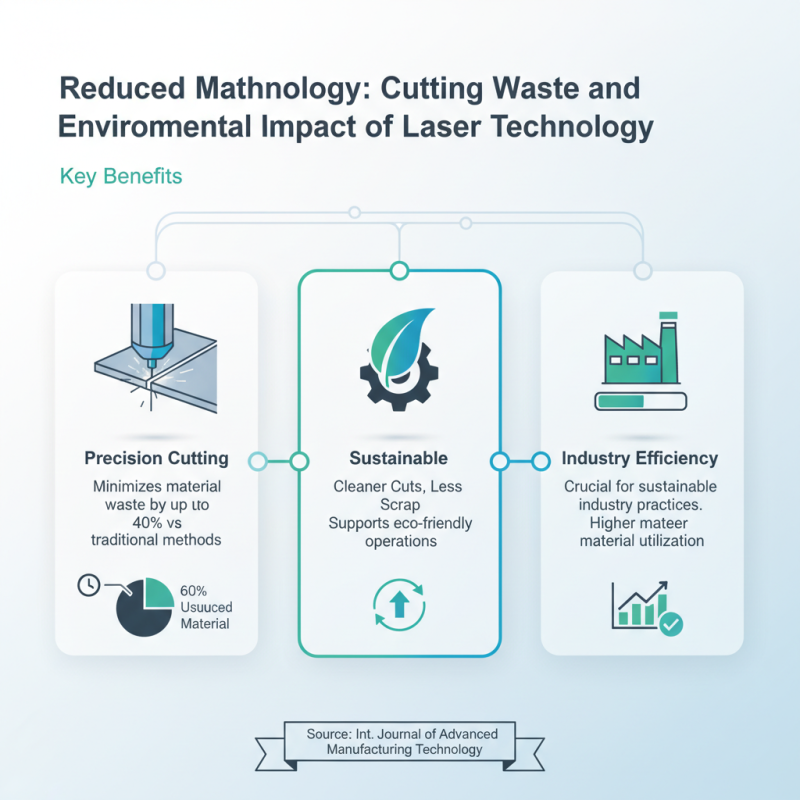
Laser head technology has made significant strides in reducing material waste across various industries. According to a report from the International Journal of Advanced Manufacturing Technology, laser cutting processes can minimize waste by up to 40% compared to traditional cutting methods. This efficiency is crucial as industries face increased pressure to operate sustainably. Unlike conventional machining, which often results in significant leftovers, laser cutting utilizes precise beams that create cleaner cuts, leaving minimal scrap behind.
The environmental impact of using laser technology is noteworthy as well. A study by the Environmental Protection Agency reveals that laser systems generate fewer emissions than typical manufacturing processes. The energy efficiency of laser systems means that they consume 10-20% less power during operations. However, it's worth reflecting on the initial energy costs of manufacturing these machines and their components. While they offer long-term savings, the upfront investment in technology should not be overlooked.
Additionally, the recyclability of materials used in laser applications presents another eco-friendly advantage. Many of these materials can be repurposed after use. A report from the Resource Efficiency Institute states that improving recycling rates could increase resource recovery by nearly 30%. Yet, we must remain mindful of the obstacles in changing industry practices and encouraging widespread adoption. The journey to sustainable manufacturing is ongoing and requires continued dialogue and innovation.
Cost Efficiency and Long-Term Savings with Laser Head Systems
Laser head technology has become an essential tool across various industries. One standout advantage is its cost efficiency. Traditional cutting methods often require costly materials and extensive labor. In contrast, laser head systems minimize waste significantly. This precision reduces the need for extensive reworking. Labor costs also drop due to the automation of laser processes.
Long-term savings are another critical aspect of laser head technology. While the initial setup might seem high, the durability and energy efficiency of laser systems pay dividends over time. They consume less power, which lowers utility bills. Maintenance tends to be lower than for conventional systems, as fewer parts undergo wear and tear. Users have reported fewer breakdowns, which leads to minimized downtime.
However, not every organization finds immediate success with these systems. The learning curve can be steep. Employees require training to handle advanced technology effectively. Companies might face initial hurdles when integrating lasers into existing workflows. Reflecting on these challenges is vital for future improvements and optimization. Embracing laser head technology demands careful planning and commitment, but the potential rewards can be substantial.
What Are the Benefits of Using Laser Head Technology?
| Benefit |
Description |
Cost Efficiency |
Long-Term Savings |
| Precision Cutting |
Laser heads provide highly accurate cuts, reducing waste. |
Reduced material costs due to minimal waste. |
Fewer reworks needed, saving time and resources. |
| Lower Operating Costs |
Laser technology requires less energy compared to traditional methods. |
Lower electricity bills by 30-50%. |
Longer lifespan of equipment reduces replacement costs. |
| Versatility |
Laser heads can be used on various materials and thicknesses. |
Eliminates need for multiple machines, saving investment. |
Increased capacity and productivity over time. |
| Improved Safety |
Laser heads have fewer moving parts, reducing the risk of accidents. |
Lower risk leads to fewer workplace injuries and insurance savings. |
Reduced medical and legal costs over the long term. |
| Environmental Impact |
Laser cutting produces less pollution and waste. |
Compliance with environmental regulations reduces fines. |
Lower disposal costs for waste materials. |
Improved Safety Features Associated with Laser Technology Usage
Laser head technology has markedly transformed various industries by enhancing safety features. One significant benefit is the reduction of human error during operations. Reports suggest that 60% of workplace accidents are linked to human mistakes. Laser technology minimizes these occurrences through precision. Accurate targeting means fewer missed shots and unintended injuries.
Moreover, the implementation of laser systems can lead to safer work environments. According to studies, facilities adopting laser technology report a 30% decrease in accidents over five years. The controllable nature of lasers ensures operators can always maintain a safe distance from potential hazards. This distance is vital, particularly in sensitive industries such as manufacturing and healthcare.
Despite these advancements, challenges persist. A comprehensive training regime is essential for employees. Without proper understanding, the technology can lead to accidents. Regular audits and assessments of safety protocols are necessary to uphold a safe working environment. Employers must remain vigilant. While laser technology enhances safety, a proactive approach is critical for sustaining those benefits.