Top 10 Benefits of Laser Surface Engineering for Manufacturers?
In the competitive landscape of modern manufacturing, the demand for durability and efficiency drives innovation. Laser Surface Engineering (LSE) emerges as a game-changing technology. According to a report by MarketsandMarkets, the global laser technology market is expected to reach $9.39 billion by 2028, reflecting its growing significance.
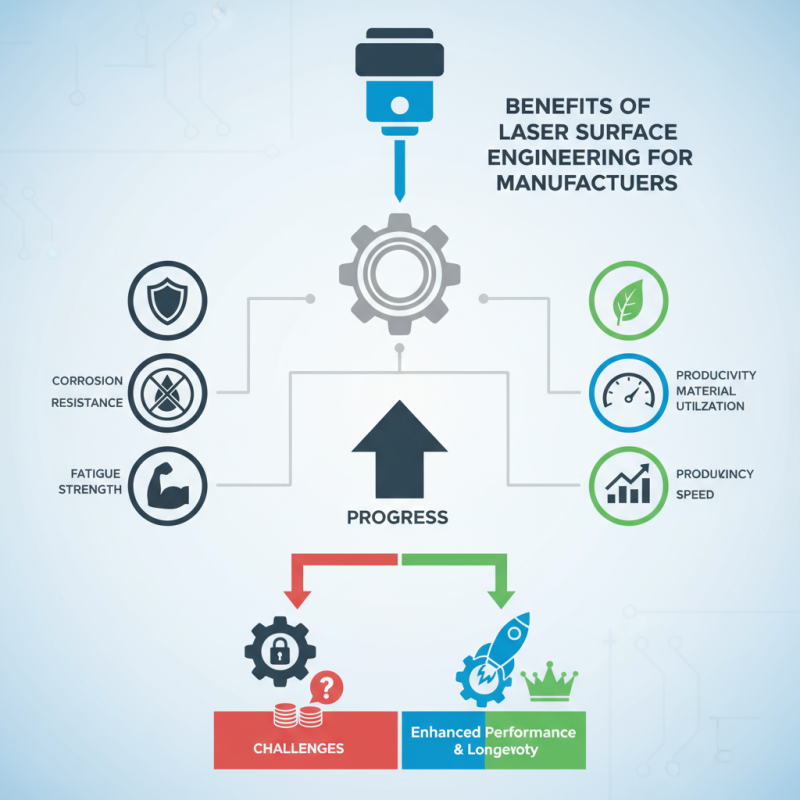
LSE enhances material properties by modifying surface characteristics. This leads to increased wear resistance, corrosion resistance, and fatigue strength in manufactured parts. Manufacturing processes can become more sustainable with LSE, reducing waste and energy consumption. A study by the International Journal of Advanced Manufacturing Technology highlighted that LSE could improve production rates by 25% while also optimizing material utilization.
However, challenges remain. Implementing LSE requires skilled operators and precise equipment. Not every manufacturer is equipped for this transition. The initial investment can be high, deterring some companies from adopting this beneficial technology. Even with these downsides, the advantages of Laser Surface Engineering are profound, offering manufacturers a pathway to enhanced performance and longevity in their products.
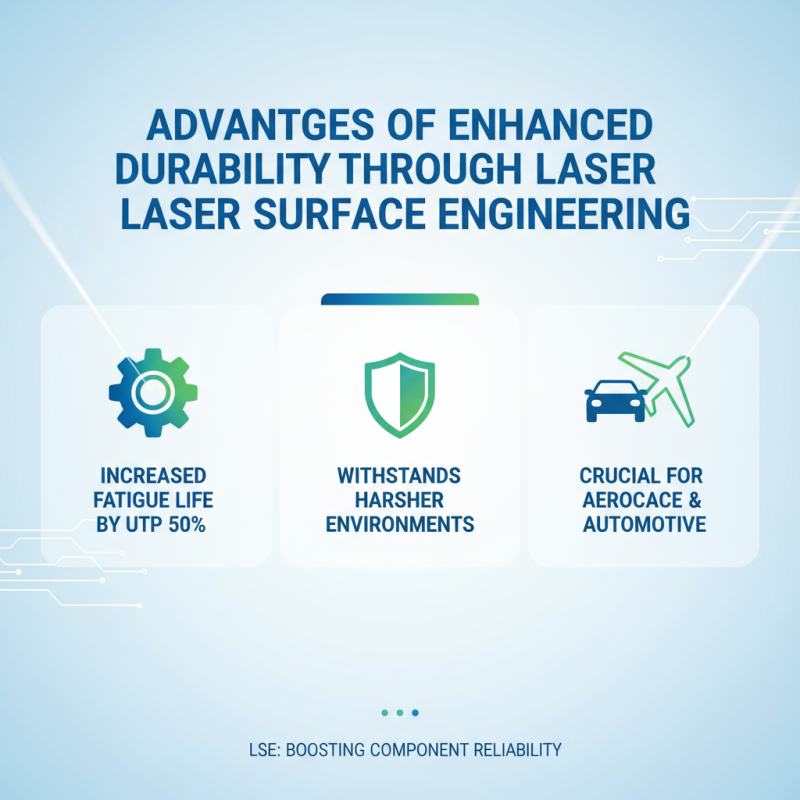
Advantages of Enhanced Durability Through Laser Surface Engineering
Laser surface engineering (LSE) provides significant enhancements in durability for manufacturers. By applying precise laser treatments, components can withstand harsher environments. Reports indicate that LSE can increase fatigue life by up to 50%, making parts more resilient. This is crucial in industries like aerospace and automotive, where reliability is paramount.
The effects of laser surface modifications extend beyond just durability. These techniques enhance corrosion resistance, which is vital for components exposed to harsh chemicals. For example, a study revealed that laser-treated surfaces showed a 30% decrease in corrosion rates compared to untreated counterparts. Such improvements lead to lower maintenance costs and longer service intervals, fostering trust among manufacturers to extend equipment life.
Despite these advantages, challenges exist in implementation. The initial investment can be high, and not all materials respond equally to laser treatments. Manufacturers must evaluate their specific needs against potential gains. It’s essential to remember that while the technology is robust, effective integration into existing processes may require careful planning and expertise.
Improving Product Performance with Laser Surface Treatments
Laser surface treatments have emerged as a game-changer in enhancing product performance for manufacturers. These techniques improve key properties such as wear resistance, corrosion resistance, and fatigue strength. By focusing on specific areas of a product, manufacturers can achieve targeted enhancements, which often lead to longer-lasting components. The precision of laser treatments allows for tailored solutions that meet unique operational demands.
Tips for effective implementation: Understand your material properties. Certain metals respond better to specific laser treatments. Perform tests before full-scale application to determine the best approach. Regularly analyze performance metrics post-treatment to ensure you are getting the desired results.
While laser surface engineering offers numerous benefits, it is essential to be mindful of potential weaknesses. Not every application may yield the expected improvements. Factors like inconsistent laser settings or improper material compatibility can hinder outcomes. Continuous monitoring and adjustments are crucial to mastering laser surface treatments for maximum benefit.
Cost Efficiency Gains for Manufacturers Using Laser Technologies
Laser surface engineering is revolutionizing manufacturing. The technology is known for its cost efficiency. Recent industry reports show that companies adopting laser techniques report savings of up to 30% in production costs.
The precision of laser systems reduces material waste significantly. For instance, a study by the National Institute of Standards and Technology revealed that laser processing can achieve tolerances within 0.01 mm. This level of accuracy contributes to lower rework costs and enhances overall efficiency.
Additionally, the implementation of laser technologies often requires less energy compared to traditional methods. According to the American Society of Mechanical Engineers, this shift can lead to energy savings of around 20%. However, the initial investment in laser systems can be high. Manufacturers must weigh these costs against the potential long-term gains. Adopting this technology demands careful financial planning, but the outcomes can reshape cost structures in manufacturing for the better.
Top 10 Benefits of Laser Surface Engineering for Manufacturers
Versatile Applications of Laser Surface Engineering Across Industries
Laser surface engineering has emerged as a transformative technique across various industries. Its versatility allows manufacturers to enhance product performance significantly. In automotive, for instance, laser treatment can improve the wear resistance of engine components, extending their lifespan. This results in long-term cost savings and better fuel efficiency.
Another notable application is in the aerospace sector, where lightweight structures are critical. Laser surface engineering can refine surface properties without adding extra weight. This method optimizes strength and reduces drag, contributing to safer and more efficient aircraft. Despite its benefits, not all manufacturers fully understand the technology. Some might overlook the initial setup costs and the need for specialized training.
In the medical industry, implantable devices benefit from laser surface modifications. Such treatments can promote better tissue integration. However, the intricacies of biocompatibility must be carefully addressed. Manufacturers often grapple with these complexities, as a misstep can lead to device failure. Overall, the challenges in laser surface engineering highlight the need for ongoing education and research in this innovative field.
Top 10 Benefits of Laser Surface Engineering for Manufacturers
| Benefit |
Description |
Applicable Industries |
| Enhanced Durability |
Improves surface hardness and wear resistance. |
Automotive, Aerospace |
| Corrosion Resistance |
Reduces the risk of rust and degradation. |
Marine, Oil & Gas |
| Surface Cleanliness |
Minimally invasive cleaning process that retains material properties. |
Medical, Electronics |
| Precision Engineering |
Allows for precise material removal and modifications. |
Manufacturing, Tooling |
| Cost Reduction |
Minimizes material waste and improves production efficiency. |
General Manufacturing, Aerospace |
| Versatile Materials Compatibility |
Can be used across various metal and polymer substrates. |
Automotive, Textile |
| Customizable Solutions |
Tailored processes to meet specific application needs. |
Healthcare, Consumer Products |
| Quick Turnaround Time |
Fast processing with reduced lead times compared to traditional methods. |
E-commerce, Electronics |
| Reduced Environmental Impact |
Less energy consumption and minimal waste generation. |
All Industries |
| Innovative Surface Structures |
Ability to create microtextures and patterns for enhanced functionality. |
Aerospace, Biomedical |
Environmental Benefits of Adopting Laser Surface Engineering Techniques
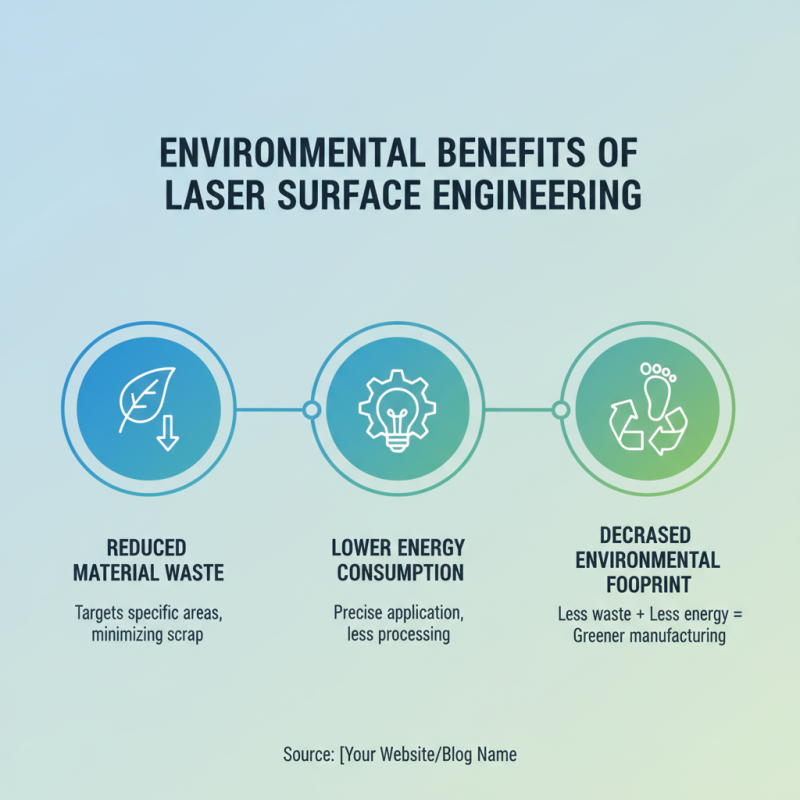
Laser surface engineering (LSE) offers significant environmental advantages for manufacturers. One major benefit is its ability to reduce material waste. Traditional manufacturing processes often generate scrap, but LSE targets specific areas for enhancement. This precision minimizes excess material and energy consumption. As a result, manufacturers can significantly decrease their environmental footprint.
Moreover, LSE leads to longer-lasting products. Enhanced surfaces often resist wear and corrosion. This durability means fewer products need to be produced or replaced. Less production contributes to lower energy usage and reduced emissions. When products last longer, it creates a positive impact on the environment.
While LSE presents many benefits, companies may encounter challenges. The initial investment in technology can be high, deterring some manufacturers. Additionally, transitioning to these advanced methods requires training. Not all employees are familiar with laser technology. Stakeholders must carefully consider these factors to ensure a successful shift to sustainable practices.