Choosing Laser Processing Heads in 2026 requires more than comparing laser power, price, or brand reputation. The correct head must match the material, wavelength, beam delivery system, focal length, spot size, and production speed. A head for thin stainless steel may fail on reflective copper. A model designed for high-power cutting may perform poorly during delicate welding.
Dr. Frank Dürr, founder of Precitec, is often associated with this practical principle: “The right optics make the process stable, repeatable, and productive.” That idea remains valuable in 2026. A processing head should support consistent beam quality, reliable autofocus, effective cooling, and accurate standoff control. Integrated sensors can monitor temperature, nozzle position, and process stability. These details matter beside a hot cutting table at 3 a.m.
The best choice is rarely the most expensive option. It is the head that fits the complete manufacturing cell. Check the laser wavelength, maximum power, focal range, gas pressure, connector design, and maintenance access. Confirm compatibility with robots, CNC systems, and safety controls. Ask how quickly protective windows can be replaced. Small delays become expensive across thousands of parts.
There is no universal winner. Not yet.
Some buyers still trust specification sheets too much. That is a weakness worth examining. Real performance depends on alignment, material variation, operator skill, and maintenance discipline. This guide compares these factors clearly, while recognizing that laboratory results may not survive a dusty factory floor. Reliable selection begins with measured requirements, practical trials, and honest attention to future production changes.
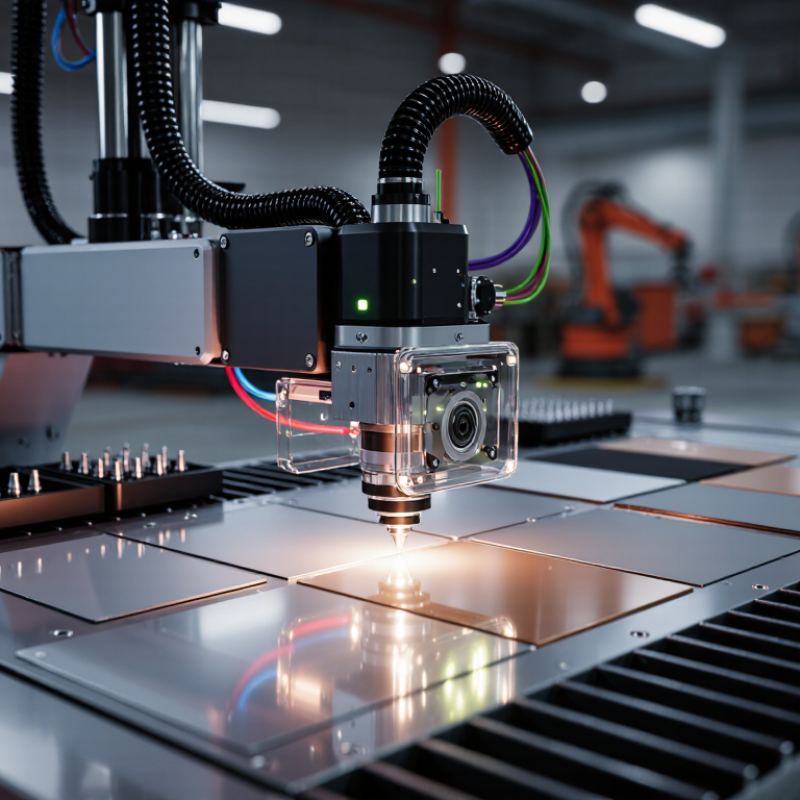
A laser processing head is the working interface between the laser source and the material. It focuses energy, guides shielding gas, and keeps the beam aligned during cutting, welding, or surface treatment. Its optics determine spot size, focal depth, and usable power. These details affect edge quality, penetration, heat spread, and operating cost. A head is not merely a holder. It is a precision system. In practical shop trials, a small focal error can create rough edges within seconds. That is why head selection matters as much as source selection.
In 2026, evaluate the head against your actual process, not a fashionable specification sheet. Check material thickness, reflective surfaces, speed range, nozzle distance, and duty cycle. Stable thermal control helps protect optical components during long production runs. Reliable sensors can detect collision, contamination, or focus drift before defects multiply. Choose optics with documented power limits and clear service procedures. Ask for test-cut records using your material. Marketing claims alone are weak evidence. A theoretically faster head may perform poorly with a narrow focal range. This mistake is easy to miss.
Tips: Measure your real working distance before ordering. Keep spare protective windows available. Record focus settings, gas pressure, and surface results during trials. Recheck them after maintenance. Small changes matter. I still find that operators sometimes trust settings more than visible evidence, and that habit deserves review.
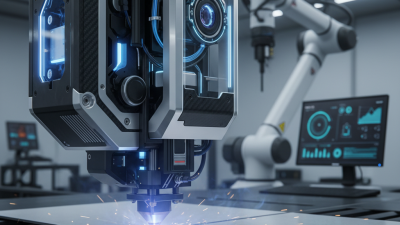
Choosing a laser processing head starts with the material, thickness, and task. Cutting heads need stable focus control and clean assist-gas delivery. Welding heads require accurate beam alignment, shielding access, and strong thermal resistance. For marking or surface treatment, scanning heads can move the beam rapidly across detailed patterns. The wrong head may create uneven edges, excessive heat, or slow production. I have found that working distance matters more than many buyers expect, especially around clamps and irregular parts.
Tips: Match the head to the process, not only the laser source. Check focal range, nozzle options, cooling design, sensor compatibility, and maintenance access. A technician should also confirm the head’s operating limits under real production conditions. Test samples are valuable. Small changes in reflectivity can affect results.
Automation adds another choice. A fixed head suits repeatable flat parts, while a multi-axis head reaches angled surfaces and complex joints. High-speed scanning heads fit fine marking, shallow engraving, and selected cleaning tasks. However, faster movement does not always mean better quality. Vibration, software settings, and calibration still matter. I would leave room for adjustment because the first setup is rarely perfect. Reviewing cut edges, weld penetration, and heat marks after testing often reveals problems that specifications miss.
Choosing a processing head in 2026 starts with a match, not a catalogue. The laser’s wavelength, power, beam quality, and duty cycle define the working limits. A head designed for fine fiber laser cutting may not suit high-power welding or thick reflective metal. Check the optical aperture, focusing range, and cooling capacity against real production data. Use a calibrated power meter when possible. A bright test coupon is not enough. Record pierce time, kerf width, penetration, spatter, and heat distortion.
Material changes the decision. Carbon steel often tolerates a wider process window, while stainless steel demands careful focus and shielding gas control. Aluminum reflects energy and carries heat quickly, so stable optics and accurate focal positioning matter. Copper is less forgiving. Use sample plates matching thickness, surface condition, and joint design. Then test at the intended speed, not a slower showroom setting. Cleanliness matters too; dust on a protective window can create a cloudy spot within minutes. That detail is easy to miss.
Match the head to the process, then verify the whole system. A cutting head needs reliable autofocus and height sensing. A welding head may need precise beam delivery and access around the joint. For cladding or additive work, powder or wire delivery changes the geometry completely. Ask for measured tolerance data, service procedures, and replacement intervals. Do not trust a single benchmark. In production, excellent results can disappear after nozzle wear or minor alignment drift. Leave adjustment margin. The best selection is not always the fastest one; it is the one that remains stable across shifts, operators, and material batches. Recheck that assumption after installation.
When comparing laser processing heads, buyers should begin with optical compatibility. Check the working wavelength, power rating, numerical aperture, and available focal-length range. A head designed for one wavelength may perform poorly with another. Do not trust maximum power alone. Continuous and pulsed ratings can differ significantly.
Spot size and beam quality directly affect cutting edges, weld penetration, and heat-affected zones. Ask for measured data, not only catalog figures. During shop-floor trials, inspect a small test coupon under magnification. Look for dross, uneven penetration, and discoloration around the process area. A smaller spot is not always better. It may increase sensitivity to alignment errors and surface variation.
Thermal control deserves equal attention. Compare cooling capacity, temperature monitoring, protective-window design, and replacement time. A dirty window can distort the beam before an operator notices the fault. Sensors for collision, standoff distance, and gas pressure can prevent expensive interruptions.
Also examine the head’s interface with the motion system and control software. Poor communication creates inconsistent results. I have seen a technically excellent head underperform because its calibration routine was awkward. That detail is easy to miss.
Buyers should request maintenance records, calibration procedures, optical alignment tolerances, and real sample results from similar materials. Verify the numbers independently where possible.
Choosing a laser processing head in 2026 means matching it to real production conditions, not brochure claims. MarketsandMarkets projects the laser processing market to grow from about USD 6.1 billion in 2023 to USD 10.5 billion by 2028. That growth increases choices, but also increases selection risk. Start with material, thickness, wavelength, power range, focal length, and assist-gas pressure. A thin stainless-steel line may need a fast autofocus head, while heavy plate cutting demands stronger cooling and stable standoff control. Check the working envelope carefully.
Installation quality often decides cutting quality. Mount the head on a rigid bracket and keep the optical axis square to the worktable. Center the beam through the nozzle before production. Then verify focal position with a test grid, not visual judgment alone. Record nozzle diameter, gas pressure, focus offset, and measured kerf width. Small records prevent large arguments. The International Federation of Robotics reported 541,302 industrial robots installed worldwide in 2023, showing how closely laser heads now operate with automated motion systems. Communication, collision sensing, and calibration must therefore be tested together.
Maintenance should follow duty cycle and contamination, not only calendar dates. Inspect the protective window every shift in dusty or high-spatter work. Replace it when coating, haze, or micro-cracks appear. Clean cooling lines, check gas leaks, and inspect seals during scheduled stops. A perfect setup is rare. In practice, operators sometimes change power before checking beam alignment. That habit deserves correction. The head, machine, and process data should be reviewed as one system, with findings documented for the next shift. (MarketsandMarkets, Laser Processing Market—Global Forecast to 2028; IFR, World Robotics 2024)