What is Laser Cladding Coating Benefits for Global Buyers?
Laser Cladding Coating is a revolutionary technology that offers numerous benefits to global buyers. This innovative process enhances the durability and longevity of various materials. By applying a layer of metal using a laser, manufacturers can significantly improve wear resistance and corrosion protection. The result is products that withstand harsh conditions, increasing their lifespan.
With the rising demand for high-performance components, understanding the advantages of Laser Cladding Coating becomes essential. It provides a more efficient alternative to traditional coating methods. Not only does it reduce material waste, but it also allows for precise application. This means less downtime and lower costs for businesses.
Buyers must consider the expertise of their suppliers. It’s crucial to work with experienced companies that understand the intricacies of this technology. However, the market is still evolving, and not every provider may deliver consistent quality. Reflecting on these factors can lead to better decision-making. Ultimately, exploring the potential of Laser Cladding Coating can open doors to enhanced product performance and market competitiveness.
Definition and Overview of Laser Cladding Coating Technology
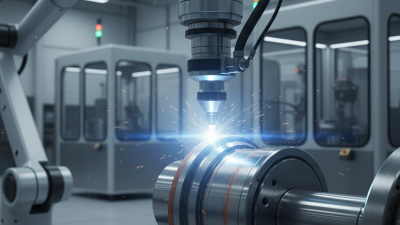
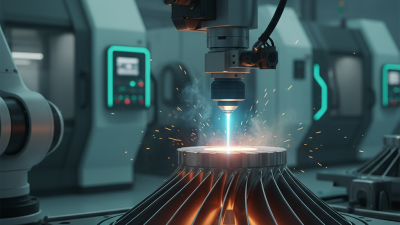
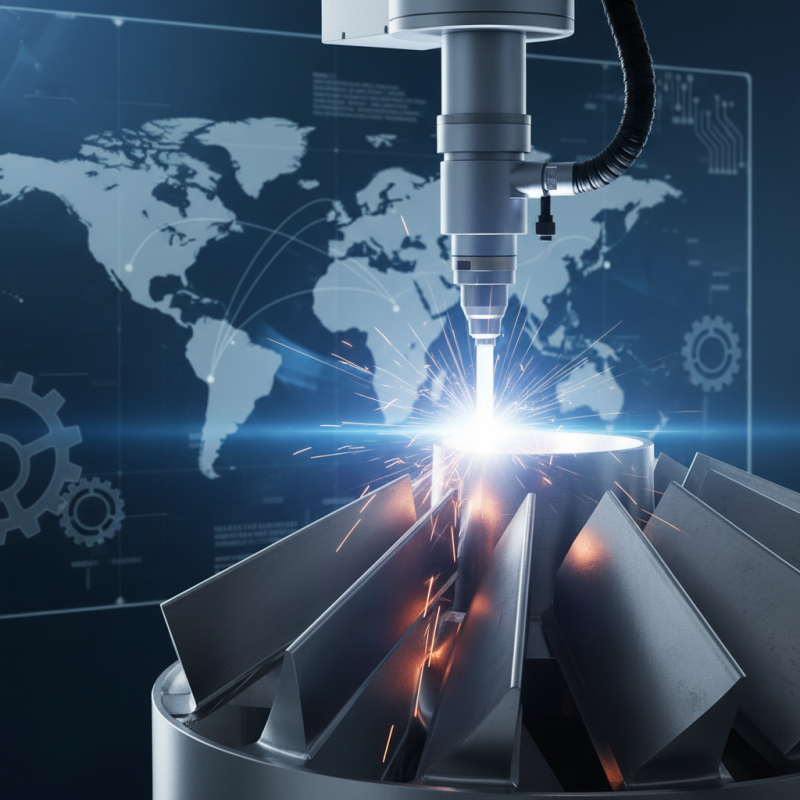
Laser cladding is an advanced coating technology used across various industries. It involves applying a layer of material onto a substrate to enhance its properties. This process ensures excellent adhesion, reduces wear, and increases corrosion resistance. A focused laser beam melts a metal powder or wire, which then fuses to the substrate. The result is a durable surface with improved performance.
Tips: Carefully select the cladding material to match the substrate. This can greatly enhance the bonding strength. Regular inspections are essential to maintain quality.
Using laser cladding can significantly extend the life of equipment. Different applications benefit from this technology, including aerospace, automotive, and oil and gas sectors. However, challenges exist. Not every material is suitable for cladding. Even slight discrepancies can lead to weaker bonds and reduced effectiveness.
Tips: Develop a thorough understanding of the application requirements. Ensuring proper surface preparation before cladding is crucial for achieving desired results.
Key Advantages of Laser Cladding Coatings for Industrial Applications
Laser cladding coatings have gained significant attention in industrial applications due to their unique benefits. One major advantage is enhanced durability. These coatings form a strong bond with base materials, increasing resistance to wear and corrosion. Industries like aerospace and automotive particularly value this feature. Equipment parts can last longer, leading to reduced replacement costs.
Another significant benefit is the improvement in performance. Laser cladding allows for precision application of materials. This results in uniform coating thickness and composition. Therefore, specific properties can be tailored to meet unique industrial requirements. For example, coatings can provide thermal resistance or hardness, which is crucial in high-stress environments.
While laser cladding offers many advantages, it is essential to acknowledge some challenges. The initial setup cost can be high. Additionally, not all materials are suitable for every application. Selecting the right parameters requires expertise and careful consideration. This fine balance of advantages and challenges makes a deep understanding of laser cladding essential for global buyers.
Cost-Effectiveness: Long-Term Savings with Laser Cladding Solutions
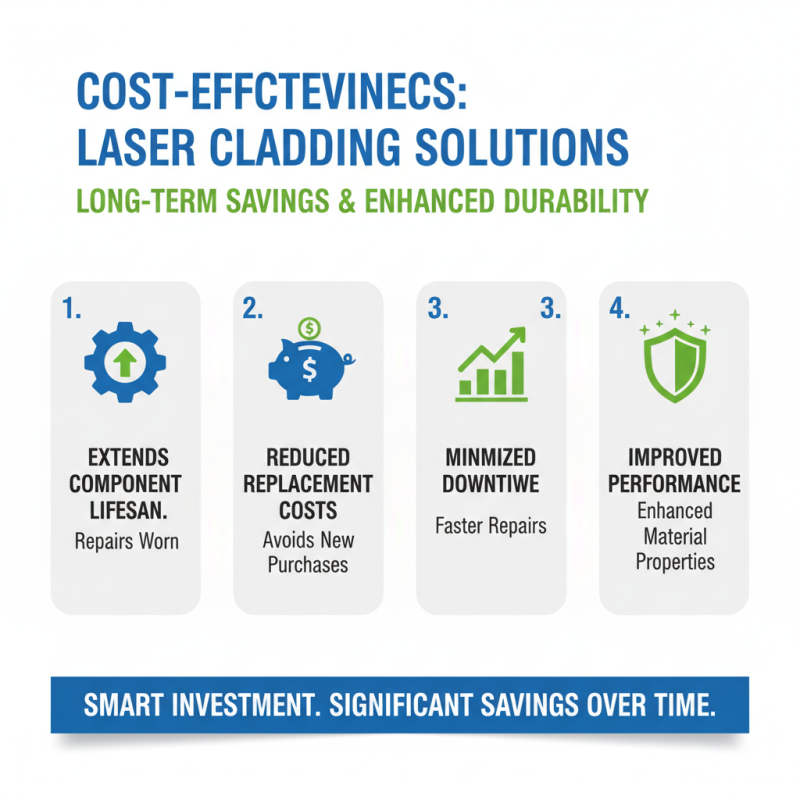
Laser cladding is becoming increasingly popular due to its long-term cost-effectiveness. This technique applies a layer of material over a substrate, enhancing its properties. As industries look for ways to reduce expenses, laser cladding presents a strong solution. It allows for the repair and rejuvenation of worn-out components, saving replacement costs. Over time, this leads to significant financial benefits.
One notable aspect is the reduction in material waste. Traditional coating methods may leave behind excess material. In contrast, laser cladding precisely applies the coating, minimizing waste. This precision contributes to sustainability and can further cut costs. The durability of the coatings means fewer maintenance cycles and extended lifespans for parts.
However, some challenges come with laser cladding. Initial investment costs can be higher than other methods. Organizations must carefully evaluate whether the long-term savings justify these costs. There may also be a learning curve for workers. Despite these potential setbacks, the analysis of cost-saving benefits suggests a promising trend for global buyers looking to maximize their investments.
Applications and Industries Benefiting from Laser Cladding Coatings
Laser cladding coatings have gained significant traction across multiple industries due to their unique attributes. These coatings provide enhanced wear resistance, corrosion resistance, and can restore worn components. A report by Markets and Markets indicates that the laser cladding market is projected to grow to $2.45 billion by 2026, reflecting its rising importance in applications such as aerospace, automotive, and oil and gas.
In the
aerospace sector, laser cladding is used to repair turbine blades, enabling longer service life. The automotive industry employs it for the enhancement of engine components, reducing wear and extending performance. The oil and gas sector benefits from laser coatings that protect drilling equipment in harsh environments. According to the
International Energy Agency, such methods can reduce maintenance costs by up to
30%.
Tips: Consider the specific conditions of your application. Material choice impacts performance greatly. Always consult with experts to select the ideal coating for your needs. Ensure to assess the environmental conditions and mechanical stresses your components will face.
However, not all applications may yield optimal results. Certain substrates may not bond well with certain coatings. It's crucial to conduct thorough testing before large-scale implementation. A well-planned approach can minimize risks and ensure durability.
Understanding the limitations of laser cladding is vital for successful integration into manufacturing processes.
Future Trends and Innovations in Laser Cladding Coating Technologies
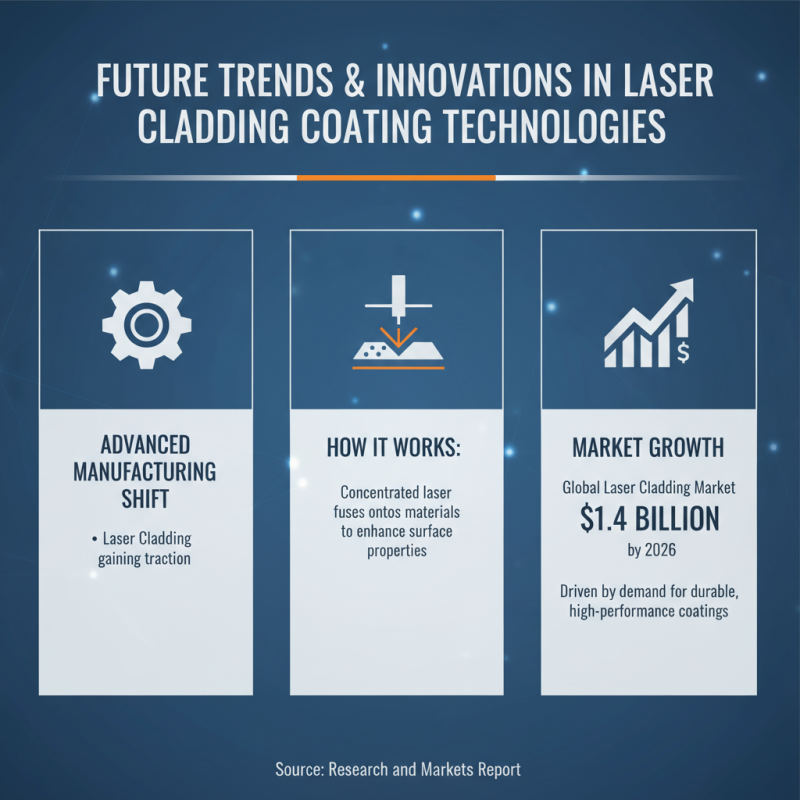
As the industry shifts towards advanced manufacturing methods, laser cladding coating technologies are gaining traction. These systems enhance the surface properties of materials by applying a concentrated laser beam to fuse coatings on substrates. According to a recent report by Research and Markets, the global laser cladding market is expected to reach $1.4 billion by 2026, driven by the demand for durable and high-performance coatings.
In recent years, innovations have emerged to improve the efficiency of laser cladding processes. New materials are being developed to enhance the bonding strength and wear resistance. Additives used in the coating process can tailor the properties of the final product, making them suitable for various industrial applications. However, there are challenges. Some manufacturers still face issues with inconsistent quality and high initial costs. These factors can hinder widespread adoption, despite the long-term benefits.
Future trends indicate that automation will play a crucial role in laser cladding technologies. Automated systems can reduce human error and enhance precision. Digital twins and AI integration may further optimize the cladding process, leading to better material performance. However, the environmental impact of these technologies remains a concern. It's essential for manufacturers to address sustainability issues while adopting innovative practices. Balancing efficiency and responsibility is critical for future growth in this field.