What is a Laser Cladding Machine and How Does It Work?
The Laser Cladding Machine has become a pivotal advancement in surface engineering. It allows for precise material deposition, enhancing durability and resistance. Dr. Emily Carter, a renowned expert in laser technology, states, “Laser cladding can transform the way we approach repair and manufacturing.” This highlights its importance in various industries.
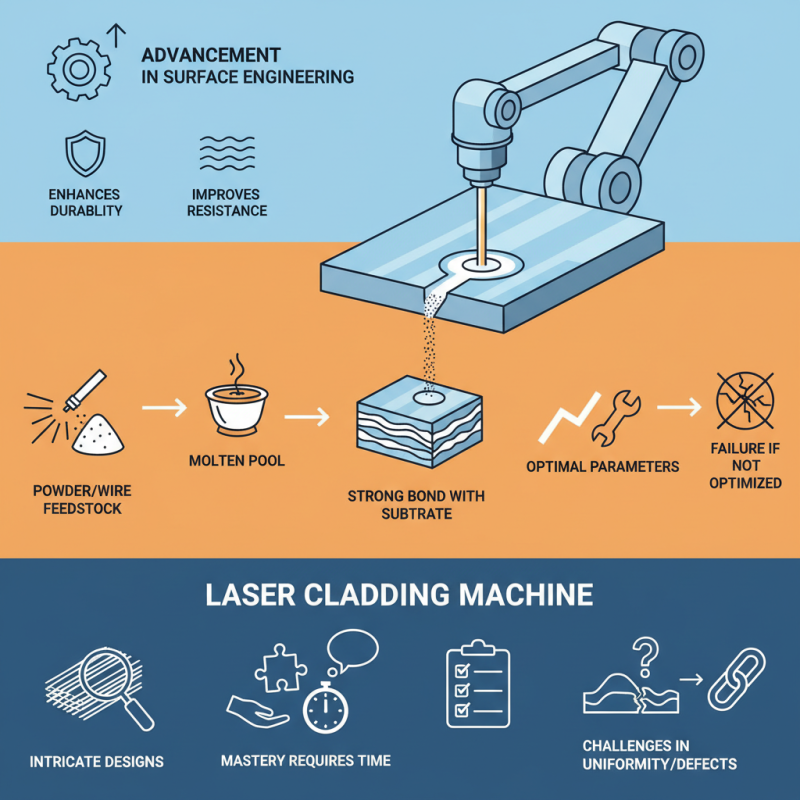
Despite its benefits, not all applications have been successful. Failure can occur if parameters are not optimized. The machine operates by melting a powder or wire feedstock with a high-energy laser. This process creates a strong bond with the substrate. However, achieving the right balance of speed and energy requires experience.
The ability to apply coatings in thin layers allows for intricate designs. Yet, mastering the process takes time. It can be challenging to ensure uniformity in cladding. Mistakes may lead to defects or uneven surfaces. Therefore, while the Laser Cladding Machine offers innovative solutions, professionals must continually refine their techniques for optimal results.
What is a Laser Cladding Machine?
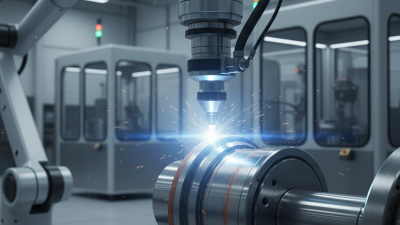
A laser cladding machine is a sophisticated device used to enhance surface properties. It utilizes high-energy laser beams to fuse materials onto a substrate. This technique is effective in various industrial applications. The process begins with a focused laser beam. As the beam hits the surface, it melts both the substrate and the added material. This creates a strong bond that enhances wear and corrosion resistance.
The materials used in laser cladding can vary widely. Common choices include metal powders, wires, or ceramics. The choice often depends on the desired properties of the final surface. Operators must be skilled in adjusting parameters like laser power and feed rate. These settings impact the quality of the cladding. Achieving the right balance can be challenging. Inconsistent settings may lead to defects.
Despite its advantages, laser cladding is not without limitations. It requires precise control and expertise to execute correctly. Mistakes during the process can lead to issues like cracking or poor adhesion. Continuous monitoring is vital, as even minor fluctuations can affect results. This emphasizes the importance of training and experience in laser cladding operations.
Key Components of a Laser Cladding Machine
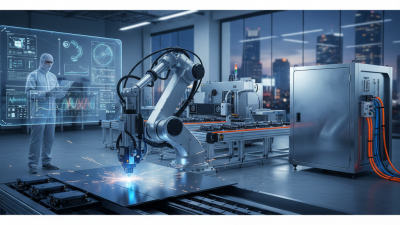
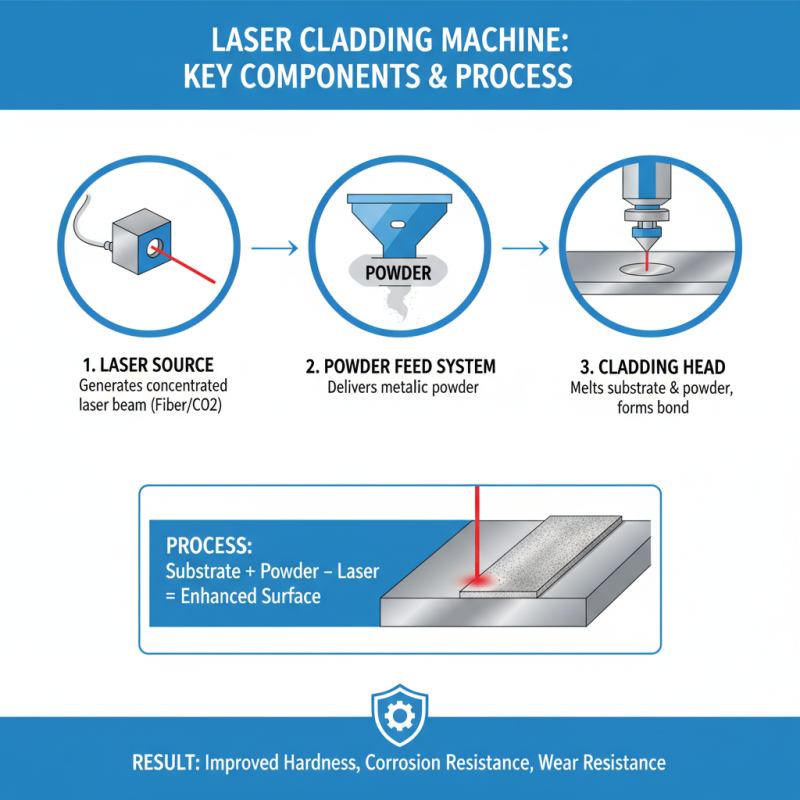
A laser cladding machine is an advanced tool used in surface enhancement. Its efficiency relies heavily on key components that contribute to its functionality. The laser source, typically a fiber or CO2 laser, generates a concentrated beam of light. This beam melts the substrate and the cladding material simultaneously, creating a strong bond.
The delivery system is crucial for directing the laser beam accurately. It often includes optics that focus the beam. Additionally, a powder feeder is essential for introducing the cladding material. This can be metal powder or wire, which must be selected based on the desired properties of the final product. According to industry reports, laser cladding can improve wear resistance by as much as 300%, making it ideal for various applications.
Tips: Always calibrate the machine before use. Regular maintenance checks can prevent costly downtime.
Another component is the cooling system. It helps manage heat during the cladding process. Improper cooling may lead to defects like cracks or warping. Studies show up to 15% of projects suffer from inadequate cooling practices. Experimenting with different cooling methods could yield better results.
How Laser Cladding Works: The Process Explained
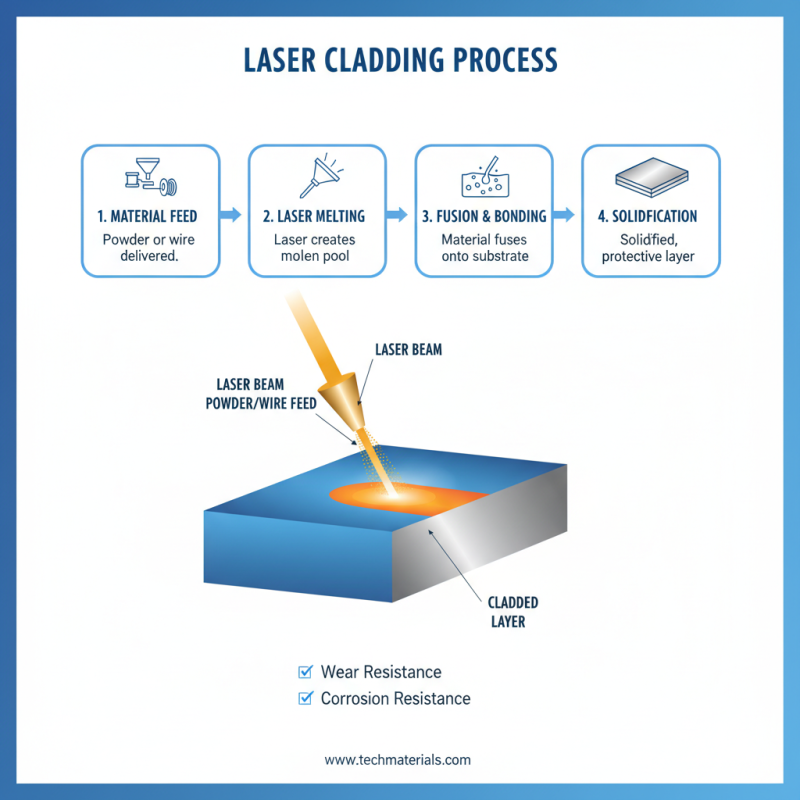
Laser cladding is a sophisticated process used for surface modification. It involves melting a powder or wire material with a laser, which then fuses onto a substrate. This technique enhances properties like wear resistance and corrosion resistance. During the process, the laser beam creates a molten pool. The added material is immediately delivered into this pool, leading to a solidified and bonded layer upon cooling.
According to a report by MarketsandMarkets, the laser cladding market is projected to reach USD 1.29 billion by 2025, reflecting a significant growth rate. This growth signifies its expanding application in industries such as aerospace, automotive, and tooling. Components treated with laser cladding display durability, often extending the lifespan of parts significantly.
Tip: Selecting the right feed material is crucial. Improper material can lead to poor bonding and delamination.
Despite its benefits, challenges remain. Achieving uniform layers can be difficult. Variability in laser parameters may result in inconsistent thickness. Monitoring and adjusting these factors is essential. Each application might require unique settings, highlighting the need for extensive testing.
Tip: Regular calibration of machines ensures optimal performance. Neglecting this can lead to errors.
Applications of Laser Cladding in Various Industries
Laser cladding is a revolutionary technology used across various industries. It enhances surfaces by applying a layer of material through a laser process. This method improves wear resistance, corrosion resistance, and overall durability of components. In the automotive sector, for instance, the demand for cladding technology grows steadily. Reports indicate that the automotive industry accounts for around 30% of laser cladding applications.
In aerospace, laser cladding plays a vital role. It helps repair and enhance components that endure harsh conditions. Parts such as turbine blades benefit greatly from this technique. A recent study revealed that laser cladding can increase the lifespan of certain parts by up to 50%. However, the technology is not without challenges. Not all materials bond effectively, leading to potential failures. Adequate research is essential for optimal outcomes.
Another domain is the oil and gas industry. Here, laser cladding protects equipment from wear and corrosion in extreme environments. According to industry insights, approximately 25% of laser cladding usage is attributed to oil and gas applications. Companies must continually adapt to ensure materials perform under pressure. The process holds great potential but requires careful consideration of material compatibility and application methods.
What is a Laser Cladding Machine and How Does It Work? - Applications of Laser Cladding in Various Industries
| Industry |
Application |
Benefits |
Materials Used |
| Aerospace |
Repair of turbine blades |
Enhanced durability and performance |
Superalloys, titanium |
| Automotive |
Surface hardening of components |
Increased wear resistance |
Steels, alloys |
| Manufacturing |
Enhancing molds and dies |
Extended tool life |
Cobalt-chromium, nickel alloys |
| Oil and Gas |
Corrosion protection of pipelines |
Improved longevity |
Stainless steel, Inconel |
| Biomedical |
Custom implants and prosthetics |
Tailored biocompatibility |
Titanium, ceramics |
Advantages and Limitations of Laser Cladding Technology
Laser cladding technology presents significant advantages for various industries. It enhances surface properties, increasing wear resistance. The process involves melting a metal powder or wire with a laser beam. This creates a strong bond with the underlying substrate. This method allows for precise control over thickness and composition. The result is a customized surface that can improve product lifespan and performance.
However, there are limitations to consider. The cost of laser cladding equipment can be high. Not all materials are suitable for this process. Some substrates might not adhere well, leading to inconsistencies. Additionally, the process requires skilled operators. Quality control can be a challenge. It’s essential to monitor parameters to ensure optimal results. Failure to do so may result in defects that compromise the benefits. Reflecting on these challenges can help improve future applications.