Top Laser Surface Finishing Techniques for 2026 Buyers Guide?
In the ever-evolving world of manufacturing, "Laser Surface Finishing" has emerged as a crucial technique for achieving high-quality surface treatments. As industries strive for perfection, understanding cutting-edge methods becomes essential. This guide highlights the top laser surface finishing techniques for buyers in 2026. These methods promise improved efficiency and intricate detail in various applications.
Laser Surface Finishing offers unparalleled precision. It enhances the aesthetic and functional properties of materials, making them more durable. Buyers need to select the right technique for their specific needs. Different lasers cater to various materials, and understanding their capabilities is vital. With innovation driving this field, the landscape is dynamic and complex.
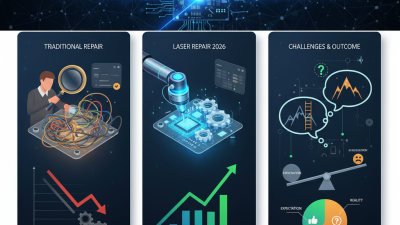
However, not all solutions are perfect. Some techniques may present challenges, such as cost or setup complexity. Buyers must weigh these factors while considering their specific applications. Balancing innovation and practicality is key in selecting the most effective laser surface finishing method. As we explore these techniques, it’s crucial to remain adaptable and open to new possibilities.

Overview of Laser Surface Finishing Techniques
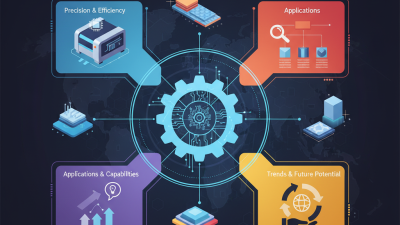
Laser surface finishing is evolving rapidly. It offers precision and efficiency. This overview highlights some prominent techniques for buyers in 2026.
One notable method is laser ablation. This technique removes unwanted material from surfaces. It's precise and reduces waste, making it environmentally friendly. It’s often used in electronics and aerospace. Yet, achieving the perfect finish can be challenging. Proper calibration is crucial, and minor errors can lead to significant defects.
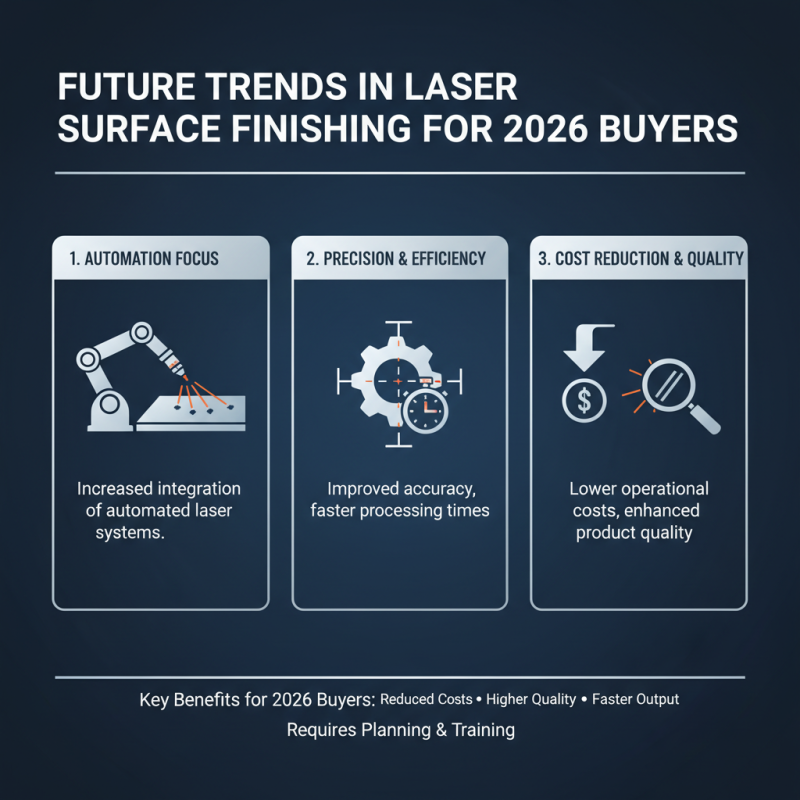
Another technique is laser polishing. This method enhances surface smoothness and aesthetic appeal. It works well on metals and plastics. However, it requires skilled operators to avoid over-polishing. This could compromise structural integrity. As technology advances, ongoing training is essential for operators. Understanding these nuances is vital for buyers seeking the best outcomes in laser finishing.
Top Laser Surface Finishing Techniques for 2026 Buyers Guide
| Finishing Technique |
Description |
Applications |
Advantages |
Limitations |
| Laser Polishing |
A process that smooths surfaces using a laser beam. |
Aerospace, Automotive, Medical Devices |
Enhanced surface finish, Reduced wear |
Cost, Process complexity |
| Laser Ablation |
Removal of material using laser energy to create desired surface patterns. |
Electronics, Semiconductors |
Precision, Versatility |
Material limitations, Heat affected zones |
| Laser Texturing |
Creating micro-patterns on surfaces to improve aesthetics and functionality. |
Consumer Goods, Molds |
Improved grip, Aesthetic appeal |
Processing time |
| Laser Annealing |
Heating of the material to alter properties without melting. |
Steel Processing, Tool Manufacturing |
Improved hardness, Reduced stress |
Equipment cost |
| Laser Cleaning |
Removing contaminants from surfaces using laser light. |
Industrial Equipment, Heritage Conservation |
Environmentally friendly, No chemicals |
Surface damage risk |
Advantages of Laser Surface Finishing for Industrial Applications
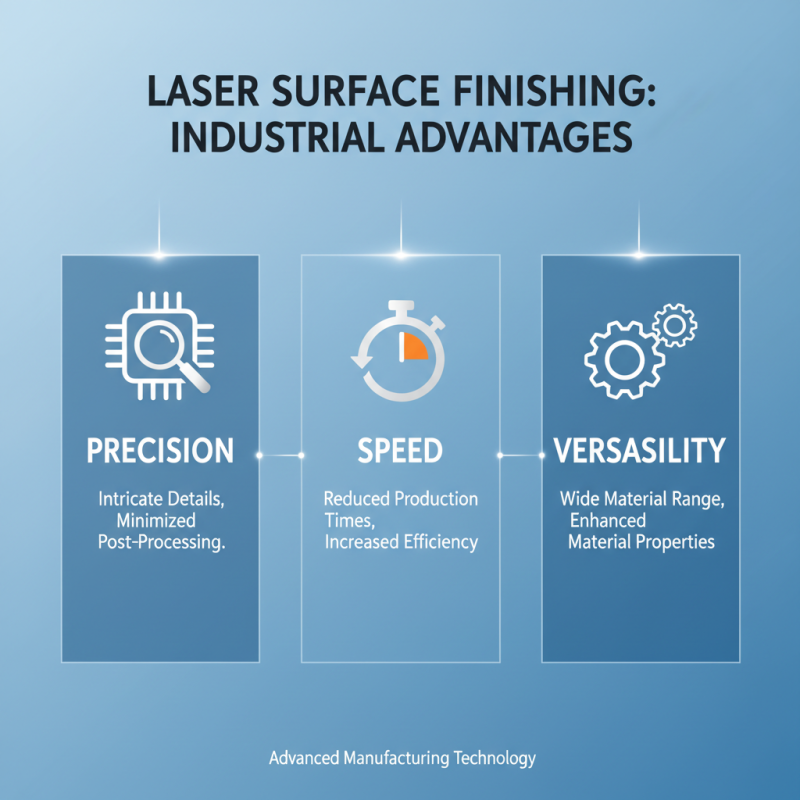
Laser surface finishing has become a pivotal technology in industrial applications. It offers several advantages that enhance manufacturing processes. One primary benefit is the precision it provides. Laser systems can achieve intricate details on various materials. This level of accuracy minimizes the need for extensive post-processing. Furthermore, the speed of laser finishing can significantly reduce production times.
Another important advantage is its versatility. Laser finishing can be adapted to a wide range of materials, including metals, plastics, and ceramics. This adaptability allows manufacturers to apply the technique in diverse industries, from automotive to aerospace. Moreover, the process can be finely tuned to achieve specific surface characteristics, such as roughness or gloss levels. This customization is key in meeting the stringent requirements of modern applications.
However, not all laser surface finishing solutions are problem-free. There can be challenges, such as initial setup costs and learning curves for operators. Organizations must weigh these factors against the long-term benefits. Emphasizing training for staff and selecting the right equipment is crucial. Reflection on these aspects will help ensure successful implementation of laser technologies in industrial settings.
Comparison of Popular Laser Finishing Technologies
Laser finishing technologies have evolved significantly, and understanding available options is critical for buyers in 2026. Among popular techniques, laser ablation and laser polishing stand out. Laser ablation offers precise material removal, effectively eliminating surface imperfections. According to a 2023 industry report, this method can enhance surface quality by up to 90%. In contrast, laser polishing relies on melting the surface to create a smoother finish. This process can reduce roughness by 70% or more, making it ideal for components requiring a high aesthetic value.
Moreover, each technique has its own set of challenges. Laser ablation may not work well on all materials, leading to potential compromises in structural integrity. Additionally, while laser polishing provides superior aesthetics, it can sometimes alter material properties, which is crucial in high-performance applications. A comprehensive study emphasizes the need for careful consideration of these aspects, outlining that 45% of industry experts encountered difficulties when choosing the right laser finishing method.
As you delve into laser finishing technologies, weigh the pros and cons carefully. Adopting an informed approach can lead to better decisions, reflecting true expertise and understanding of relevant technical nuances. Being aware of potential pitfalls ensures a more tailored solution for your specific needs.
Key Considerations When Selecting Laser Surface Finishing Solutions
When selecting laser surface finishing solutions, several key considerations come into play. Buyers must assess the specific requirements of their projects. This includes the material type, desired surface finish, and application environment. Durability and performance are critical. A surface that is too smooth may not hold coatings well. Conversely, a rough finish may trap contaminants.
Cost is another significant factor. While high-quality machines offer efficiency and precision, they come at a premium. It's important to weigh the initial investment against long-term benefits. Maintenance costs should also be factored in. Regular maintenance can prevent downtime but can complicate budgeting.
Additionally, the expertise of the provider matters. Choosing a reliable partner with extensive experience and knowledge can enhance project outcomes. It is worthwhile to request case studies or references. This helps in understanding their capability and reliability. Innovation in technology should be considered too. New advancements can provide alternatives to traditional processes. Keep an open mind about newer techniques that might offer better results.
Top Laser Surface Finishing Techniques for 2026 Buyers Guide