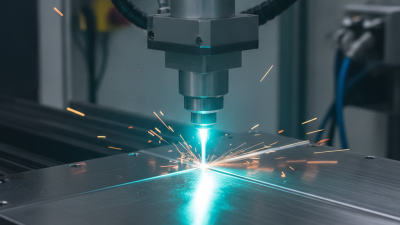
Laser Surface Preparation Tips for Best Results in Your Projects
Laser Surface Preparation is a critical technique in various industries. Expert Dr. Lisa Morgan, a leader in surface technology, once stated, “The right preparation can significantly enhance adhesion and durability.” This highlights the importance of effective preparation methods.
When engaging in projects involving Laser Surface Preparation, attention to detail is paramount. Improper techniques can lead to subpar results. It is essential to understand the specific requirements of your material. Surface cleanliness, texture, and moisture control contribute to the overall success. Many overlook these aspects, resulting in failures.
Integrating laser technology effectively can be transformative. However, it’s crucial to evaluate equipment settings and environmental factors. Each project presents unique challenges. Reflecting on past experiences can uncover vital insights. Continuous learning is essential. Even seasoned professionals must adapt and refine their techniques to achieve optimal outcomes in Laser Surface Preparation.
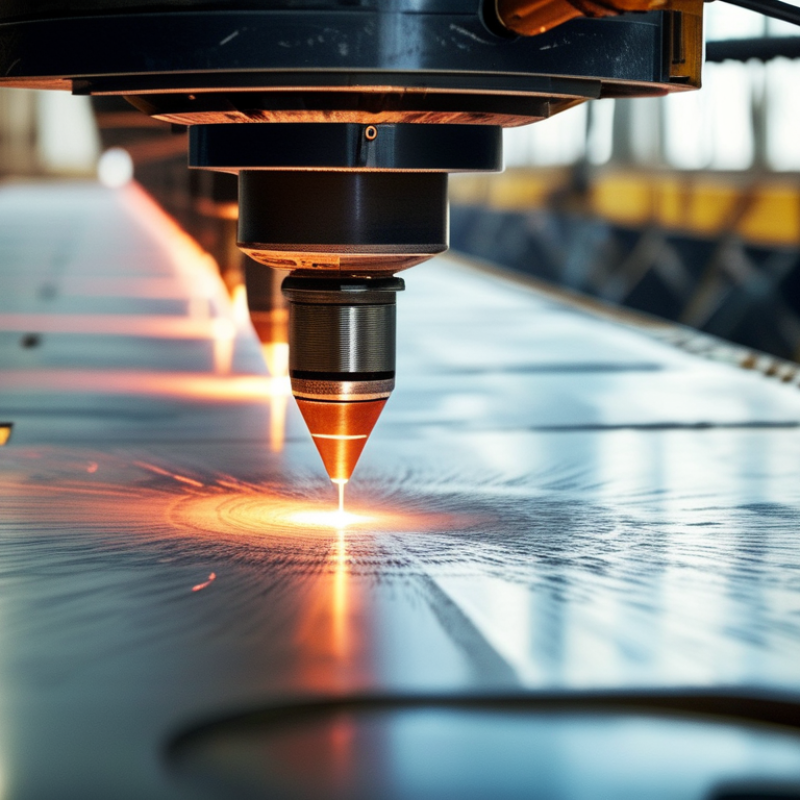
Understanding Laser Surface Preparation Techniques
Laser surface preparation is a crucial step in many projects. It involves cleaning and texturing surfaces to enhance adhesion. This ensures better bonding for coatings, adhesives, or paints. Various techniques exist, each offering distinct advantages. Understanding these methods is essential for achieving optimal results.
One common technique is laser ablation. It removes contaminants effectively without damaging the underlying material. This precision is invaluable in industries like aerospace and automotive.
Another method, laser cleaning, uses focused beams to eliminate rust and oxidation. It can be less aggressive than mechanical methods, providing a cleaner alternative. However, not all surfaces respond the same way. Some materials may require more aggressive treatments while others could be harmed.
Experimentation and adjustments may be needed. Trial and error can help determine the right approach for your specific material. Factors like laser wavelength and pulse duration influence outcomes significantly.
Monitoring the surface conditions post-treatment is equally important. Evaluating the results can provide insights for future applications, ensuring continuous improvement in the laser preparation process.
Choosing the Right Laser for Surface Preparation
Choosing the right laser for surface preparation can significantly impact your project's success. Different applications require specific laser types to achieve optimal results. Fiber lasers, for instance, offer precision on metals. CO2 lasers, however, excel at organic materials. Understanding these differences is crucial for selecting the right option.
When evaluating your project, consider the materials involved. Surface texture, thickness, and desired finish play vital roles in this decision. A detailed analysis can help you avoid costly mistakes. Reflecting on past projects can provide insight. What worked well? Where were the setbacks? These reflections can guide you in future selections.
It’s essential to consult with experts. They can share invaluable knowledge about various laser systems. Their experience can illuminate aspects you might not have considered. Gauging the right power and speed settings is often trial and error. Don't hesitate to test different settings. This experimentation can lead to breakthroughs in your surface preparation processes.
Essential Safety Precautions During Laser Surface Processing
Laser surface processing demands stringent safety measures due to potential hazards involved. The intense heat generated can lead to burns or fires if not managed properly. A report by the Laser Institute of America indicates that around 40% of laser-related accidents occur due to inadequate safety precautions. Proper training in both equipment handling and safety protocols is essential.
Protective gear is non-negotiable. Operators should wear appropriate eyewear designed to filter harmful wavelengths. Additionally, flame-resistant clothing helps mitigate risks during unexpected ignition. A comprehensive safety checklist can ensure all employees are aware of potential hazards. Inadequate awareness could lead to severe accidents, which the industry clearly can't afford.
While implementing safety measures, it's vital to regularly assess and update procedures. Regular feedback from employees can help identify gaps in practices. Relying solely on standard protocols may not suffice. Inconsistent safety habits can be detrimental, making continuous training and supervision critical for a successful operation. Adopting a proactive approach fosters a culture of safety that ultimately enhances productivity without compromising worker health.
Step-by-Step Guide to Effective Surface Preparation
Effective surface preparation is crucial for successful laser projects. Begin by assessing the material you will be working with. Different substrates will require different approaches. For metals, look for rust and dirt. Non-metal surfaces may have dust or oils that can affect adhesion.
Next, choose the right laser settings. Power levels and speed should match the material type. Too much power could damage the surface. Too little may not prepare it adequately. Test the settings on a scrap piece first. This step helps in avoiding costly mistakes.
Finally, ensure a clean environment. Dust and debris in the workspace can lead to inconsistent results. Regularly monitor the surface condition during the preparation process. Reflect on what works and what doesn't. Document your findings for future reference. Each project brings its own challenges, and learning from mistakes is essential.
Common Mistakes to Avoid in Laser Surface Preparation
When preparing surfaces with laser technology, avoiding common mistakes is crucial for achieving optimal results. One frequent error is overlooking material compatibility. Not all materials respond equally to laser treatment. Ensure you understand your material's properties. Test on scrap samples can reveal how the laser reacts. This step can save time and resources.
Another pitfall is ignoring the right parameters, such as power and speed. Each project requires specific settings. A too-fast pace can lead to inadequate surface preparation, while excessive power can damage the material. Carefully calibrate the settings based on your previous experiences. Fine-tuning these parameters takes practice but pays off.
Implementing best practices can enhance your project. Always maintain clean equipment to avoid contamination. Regular maintenance leads to consistent performance. Consider using a cooling system to prevent overheating. This step ensures a stable process, which is often overlooked. Many professionals underestimate how such details impact overall results. A little time invested in preparation can make a significant difference.
Laser Surface Preparation Tips for Best Results in Your Projects - Common Mistakes to Avoid in Laser Surface Preparation
| Tip |
Common Mistake |
Suggested Solution |
| Ensure Clean Surface Prior to Laser |
Skipping cleaning before preparation |
Use solvents or mechanical cleaning methods |
| Optimize Laser Settings for Material |
Using incorrect power and speed settings |
Refer to material-specific guidelines |
| Test on Scrap Material |
Diving directly into the main project |
Always conduct tests on spare pieces |
| Monitor Heat Affected Zones (HAZ) |
Ignoring HAZ during preparation |
Adjust settings to minimize HAZ |
| Follow Safety Protocols |
Neglecting protective gear and measures |
Always wear appropriate safety equipment |