What is a Powder Feeder and How Does It Work?
A Powder Feeder is an essential device in various industries, designed to accurately dispense powdered materials. John Smith, a leading expert in powder feeding technology, states, “The precision of a Powder Feeder can drastically enhance production efficiency.” This insight highlights the significance of understanding how Powder Feeders operate.
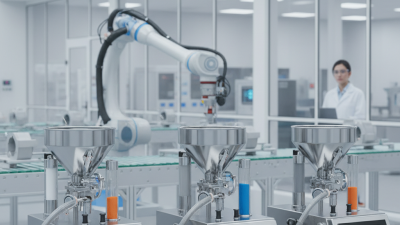
In many applications, a Powder Feeder ensures consistent material flow. It can control the rate and amount of powder fed into processes like additive manufacturing or pharmaceutical production. The technology behind these feeders involves advanced mechanisms that may seem simple but require expert knowledge to operate efficiently.
Yet challenges remain. Not all Powder Feeders handle every material well. Variations in particle size and flow properties can lead to inconsistencies. Experts often emphasize the importance of tailoring Powder Feeders to specific materials to overcome such issues. Addressing these concerns is crucial for industries reliant on precision and reliability in their processes.
What is a Powder Feeder?
A powder feeder is a specialized device used to deliver powdered materials in controlled amounts. This technology plays a crucial role in various industries, including pharmaceuticals, food production, and chemical manufacturing. According to a report by Grand View Research, the global powder feeder market was valued at over $1.2 billion in 2022 and is expected to grow steadily, driven by automation and precision in material handling.
These feeders utilize advanced mechanisms to ensure uniform flow rates and minimize wastage. For instance, they can be equipped with vibratory feeders or augers to maintain consistent delivery of powders. However, challenges can arise in maintaining the accuracy needed for certain applications. A slight inconsistency in powder flow can lead to significant variations in product quality, especially in pharmaceuticals where precision is critical.
Another consideration is the material characteristics. Different powders have unique flow behaviors. Some might clump or create dust, which complicates the feeding process. Operators must constantly monitor and adjust the system to accommodate these factors, highlighting the importance of ongoing training and technology updates in the field. The effectiveness of a powder feeder lies not just in its design, but in the user’s expertise and understanding of material properties.
Powder Feeder Usage Statistics
Components of a Powder Feeder System
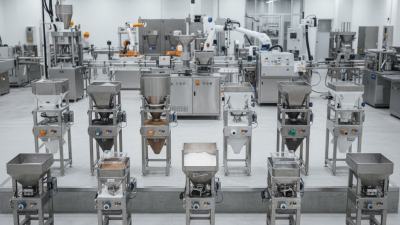
A powder feeder is a crucial component in various manufacturing and processing industries. Its primary role is to deliver precise amounts of powdered materials during production. The system often includes several key components, each designed for specific functions.
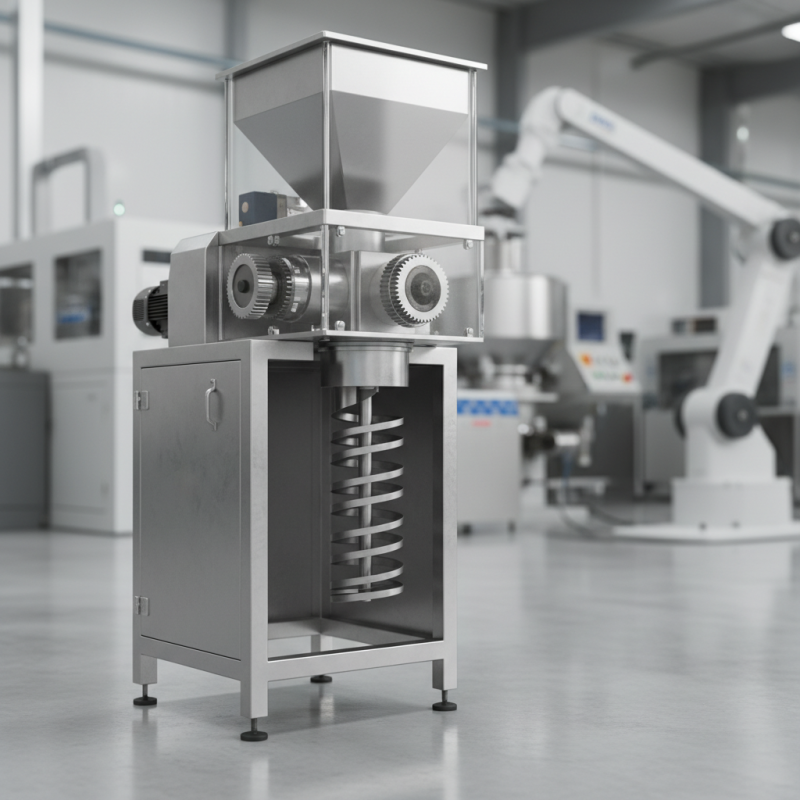
At the heart of a powder feeder is the hopper. This container holds the powder until it’s needed. Below the hopper is a screw or auger, which controls the flow of the powder. These mechanisms help achieve consistency in material delivery. In many designs, a vibratory feeder is also included, ensuring that powder flows smoothly and evenly.
Another important component is the control system. This system regulates the feeder's operation, maintaining accuracy and efficiency. Users must ensure that adjustments are made regularly for optimal performance. The integration of sensors can enhance reliability, but reliance solely on technology can lead to potential oversights. Regular maintenance is key, yet it is often neglected. This can lead to inconsistencies in powder delivery, affecting overall production quality.
How Powder Feeders Function: A Step-by-Step Guide
Powder feeders are essential devices used in various industries, including pharmaceuticals and food processing. They provide precise control over powder materials, ensuring efficient blending and uniformity. The core function lies in the accurate dosing of powders, which is critical for maintaining product quality.
The operation of a powder feeder is systematic. Initially, the feeder draws powder from a hopper. A screw or conveyor system moves the powder toward a metering zone. At this stage, the feeder measures the powder accurately. Once the correct amount is dispensed, it moves to the mixing chamber. This pulse enables optimal powder distribution with other ingredients, resulting in a consistent product.
Understanding how powder feeders function can reveal areas for improvement. For instance, inadequate calibration may lead to inconsistencies. Operators must regularly check the metering process. Observing the flow consistency can highlight potential blockages or misalignments. This attention to detail ensures the powder feeder operates reliably, enhancing overall production efficiency and product quality.
Types of Powder Feeders and Their Applications
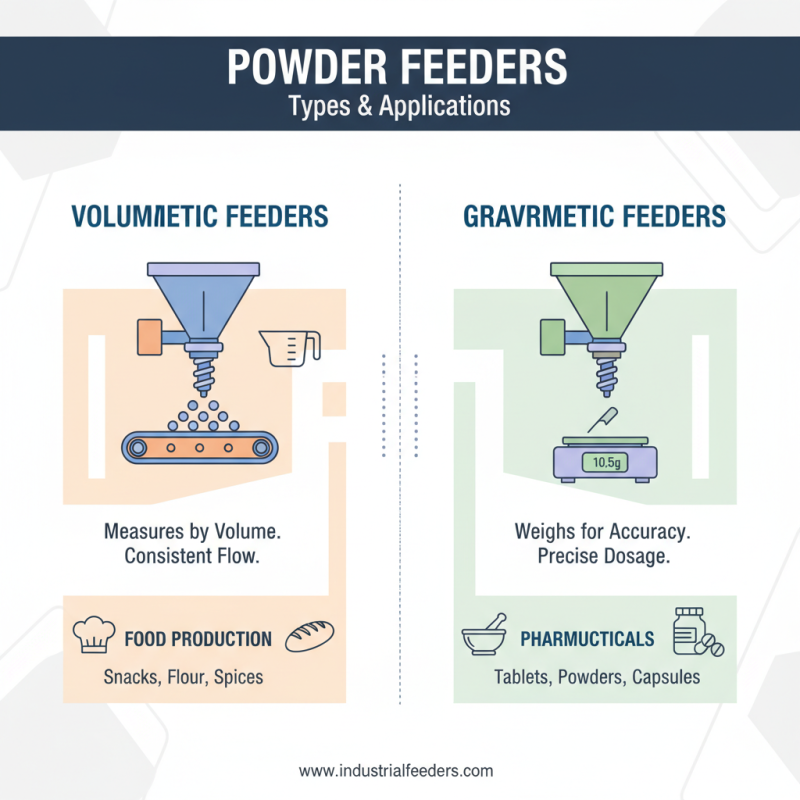
Powder feeders are essential tools in various industries, allowing precise delivery of powdered materials. They come in different types, each designed for specific applications. For instance, volumetric feeders provide consistency in dispensing powders by measuring a set volume. These are often used in food production. Gravimetric feeders, on the other hand, weigh the powder as it is dispensed, ensuring high accuracy. This type is crucial in pharmaceuticals, where precise dosages matter.
Another type includes loss-in-weight feeders. These systems continuously monitor the weight of the material being dispensed. A potential drawback is that they can be sensitive to changes in the physical properties of the powder. For industries that require flexibility, batch feeders allow for varying quantities in each cycle. However, this method can sometimes lead to inconsistencies if not monitored closely.
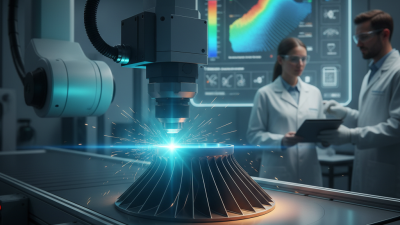
The application of these feeders can be seen in additive manufacturing. They are vital in the 3D printing process, where materials are critical for quality. In the cosmetics industry, powder feeders help achieve uniformity in product formulation. While the technology has advanced, the choice of the right powder feeder requires careful consideration of material properties and process requirements. It can often be an imperfect science, necessitating adjustments and reflections on operational efficiency.
Benefits of Using Powder Feeders in Manufacturing Processes
Powder feeders are crucial in modern manufacturing processes. They provide precise delivery of powdered materials into production lines. This accuracy enhances consistency in quality, which is vital for many applications. Using a powder feeder can improve efficiency significantly by reducing waste. The ability to control flow rates means less material is lost during manufacturing.
Employing a powder feeder can lead to cost savings. With better control over the materials, companies can reduce their overall spending on raw ingredients. This method also minimizes the risk of human error, a common issue in manual feeding systems. However, implementing such systems can require a learning curve. Workers may need time to adapt to new equipment.
These feeders also promote flexibility. They can handle various powders with differing properties, which is advantageous in diverse industries. Adapting to different formulations can be challenging, but it's necessary for innovation. While the benefits are clear, regular maintenance is essential to avoid performance issues. Failure in the system can disrupt the entire manufacturing process. Implementing a powder feeder involves careful planning and ongoing adjustments.
What is a Powder Feeder and How Does It Work? - Benefits of Using Powder Feeders in Manufacturing Processes
| Feature |
Description |
| Functionality |
Powder feeders are automated systems that precisely dispense powders for various manufacturing applications. |
| Types |
Continuous feeders, batch feeders, and volumetric feeders, each designed for specific powder handling requirements. |
| Applications |
Used in industries such as pharmaceuticals, food processing, and powder coating. |
| Benefits |
Increased consistency, improved efficiency, and reduced waste during production processes. |
| Precision |
Advanced sensors and controls ensure accurate powder dosage for optimal product quality. |
| Maintenance |
Requires regular maintenance to ensure optimal function and to prevent contamination. |