What is Shaft Repair and How Does It Work?
Shaft Repair is a critical process in various industries, especially manufacturing and automotive sectors. According to a recent report by Market Research Future, the global shaft repair market is expected to grow at a CAGR of 5.2% over the next five years. This growth highlights the increasing need for efficient maintenance solutions.
When machinery fails, it can lead to costly downtime. Many companies still overlook the importance of regular shaft maintenance. This oversight can result in more significant issues, such as increased wear and tear. Effective Shaft Repair not only extends the lifespan of equipment but also enhances operational efficiency.
Finally, the repair techniques available vary in effectiveness. Some methods are outdated, while others utilize advanced technologies. Companies must weigh their options carefully. Choosing the right Shaft Repair solution can be the difference between short-term fixes and long-term success. This decision requires careful thought and strategic planning.
Understanding the Basics of Shaft Repair
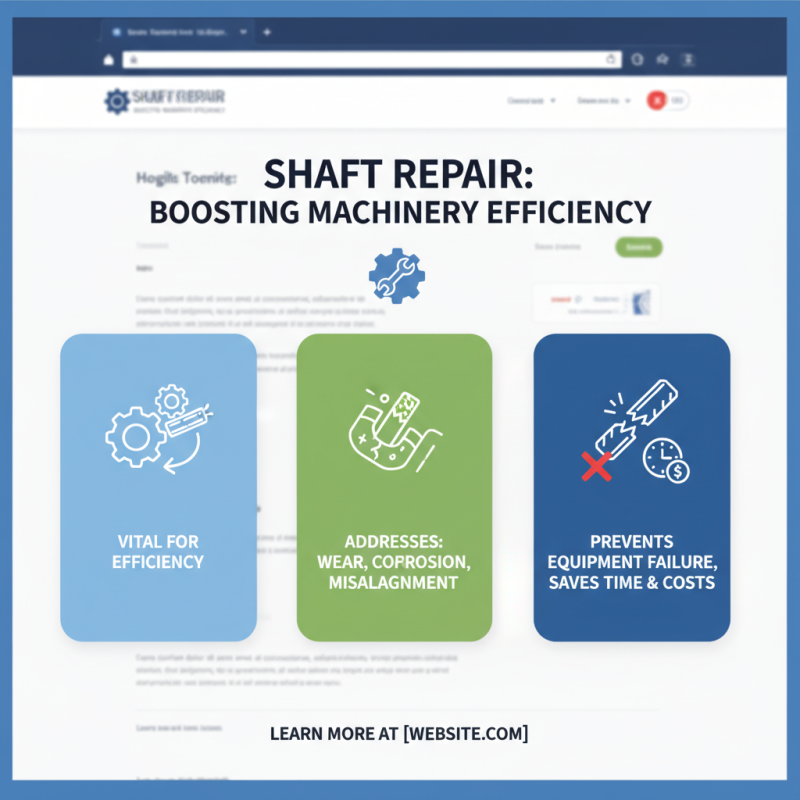
Shaft repair is vital for machinery efficiency. It addresses issues like wear, corrosion, and misalignment. A damaged shaft can lead to equipment failure. Understanding the basics of shaft repair can save time and costs.
Repair starts with inspection. A technician checks for damage and evaluates the shaft's condition. Sometimes, the damage is clearly visible. Other times, it requires advanced techniques. This stage is crucial. It sets the foundation for effective repairs.
Tips: Regular maintenance can prevent significant shaft issues. Schedule routine inspections to catch problems early. Use vibration analysis to monitor shaft condition. Addressing small issues can avoid larger, costly repairs later.
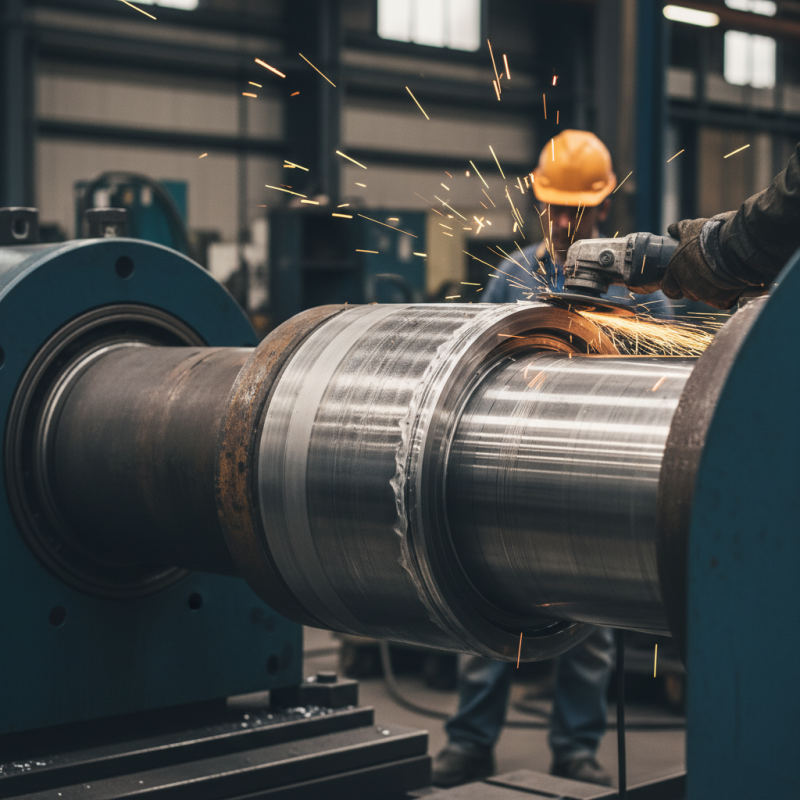
After assessment, the repair process begins. Techniques include welding, machining, and surface hardening. Each method suits different types of damage. A mismatched repair method can lead to further complications. Take time to choose the right approach.
Common Causes of Shaft Damage and Wear
Shaft damage can significantly impact machinery performance. It often results from several common factors. Misalignment is a primary cause; when components aren't positioned correctly, it creates uneven wear. This can lead to increased vibrations, further worsening the shaft condition.
Another frequent issue is corrosion. Exposure to moisture or chemicals can deteriorate the shaft’s surface. This damage usually starts small but can expand quickly, compromising its integrity. Fatigue is another concern. Repeated stress from heavy loads can create microscopic cracks. Over time, these cracks grow, leading to serious failures.
Improper maintenance can also exacerbate these problems. Regular inspections are crucial but often neglected. When minor issues are overlooked, they transform into major repairs. Using the right lubricants is vital too; inadequate lubrication can increase friction and wear. Ultimately, understanding these issues is key to effective shaft repair.
What is Shaft Repair and How Does It Work? - Common Causes of Shaft Damage and Wear
| Common Causes of Shaft Damage |
Impact of Damage |
Repair Methods |
Preventive Measures |
| Misalignment |
Increased wear and tear, premature failure |
Realignment, replacing worn components |
Regular alignment checks, proper installation |
| Corrosion |
Structural weakness, potential breakage |
Grinding, plating, or coating |
Use of protective coatings, environmental controls |
| Fatigue |
Unexpected failure, downtime costs |
Welding, resurfacing |
Material selection, load management |
| Overloading |
Excessive stress, increased wear |
Reinforcement, replacement |
Load monitoring systems, proper training |
| Contamination |
Increased friction, efficiency losses |
Cleaning, seal replacement |
Regular maintenance, filtration systems |
Techniques and Methods for Effective Shaft Repair
Shaft repair is a critical process in maintaining the efficiency of machinery. Various techniques can be employed for effective shaft repair. One common method is machining, which involves removing damaged material to restore the shaft's original dimensions. This process requires precision and skill. A trained technician measures the shaft carefully before cutting, ensuring that the final product is perfectly aligned.
Welding is another technique used in shaft repair. It can be effective for rejoining fractured sections or filling in worn areas. However, this approach may require multiple sessions to ensure durability. It’s important to monitor the heat applied during welding, as excessive heat can lead to warping.
Additionally, some repairs use epoxy or resin to fill in areas of wear. This method is often quicker and can be more convenient. Still, it raises questions about long-term durability. Not every shaft can be repaired the same way. Each repair needs to be assessed individually. Repairing shafts is not always flawless; the risk of future failures remains. Reflecting on past repair jobs can provide valuable lessons for improving techniques in the future.
The Importance of Precision in Shaft Alignment
Shaft alignment plays a critical role in various industries. Precision in this process directly affects machine performance and lifespan. Misalignment can lead to increased vibration, wear, and even catastrophic failures. When shafts are not aligned correctly, the energy transfers inefficiently. This wastes resources and may damage components.
Proper alignment requires careful measurement and adjustment. Specialized tools help technicians gauge alignment accurately. However, achieving perfect alignment is challenging. Environmental factors and human error can introduce discrepancies. Regular inspections are essential to maintain alignment standards. Failing to do so can lead to unexpected downtimes and costly repairs.
In many cases, teams may overlook the importance of this process. Rushing through assessments can result in suboptimal alignment. This might seem minor at first, but the long-term effects are significant. Investing time in precision prevents bigger issues later on. Recognizing alignment as a priority fosters a culture focused on quality and reliability.
Shaft Repair Process Overview
This bar chart illustrates the estimated time taken for each step involved in the shaft repair process. Ensuring precision in each stage, from initial damage assessment to final inspection, is crucial for optimal performance and longevity of the shaft.
Post-Repair Maintenance for Enhanced Shaft Longevity
Post-repair maintenance is crucial for extending the lifespan of a shaft. After repair, regular inspections are necessary. Check for any indications of wear or misalignment. These issues often go unnoticed until it's too late. Timely detection can prevent more significant problems down the line.
Lubrication is another vital aspect of post-repair care. Use the recommended lubricant to minimize friction and heat generation. Remember, too much or too little can lead to failure. An operator's routine should include monitoring lubrication levels. This attention can make a difference in performance.
Environmental factors also play a role in shaft longevity. Dust, moisture, and temperature extremes can wear down components. Implementing protective covers can mitigate these risks. Regular cleaning reduces buildup and potential interference with the shaft's operation. These practices are straightforward, but they require consistency and commitment. Neglecting them could lead to regret later.