2026 Top Laser Surface Finishing Techniques for Enhanced Performance?
The evolution of manufacturing techniques has witnessed significant advancements, particularly in the realm of Laser Surface Finishing. This innovative technology has steadily gained traction due to its ability to enhance surface properties. Reports indicate that the global laser technology market is projected to reach $15 billion by 2025, underscoring its rapid adoption.
Laser Surface Finishing offers precision that traditional methods cannot match. It can improve wear resistance and reduce friction. However, the integration of this technology is not without challenges. Understanding the material compatibility and the optimal settings is crucial for achieving desired outcomes. Many industries, from automotive to aerospace, have started embracing these advancements. Yet, there's a need for continual assessment of process efficacy.
As we approach 2026, the focus remains on refining these techniques. Various studies show that companies implementing Laser Surface Finishing see marked improvements in performance metrics. However, the learning curve can be steep. Additionally, companies must remain vigilant to monitor the long-term effects on different materials. Balancing efficiency and quality will be key as the field progresses.
Overview of Laser Surface Finishing Techniques in 2026
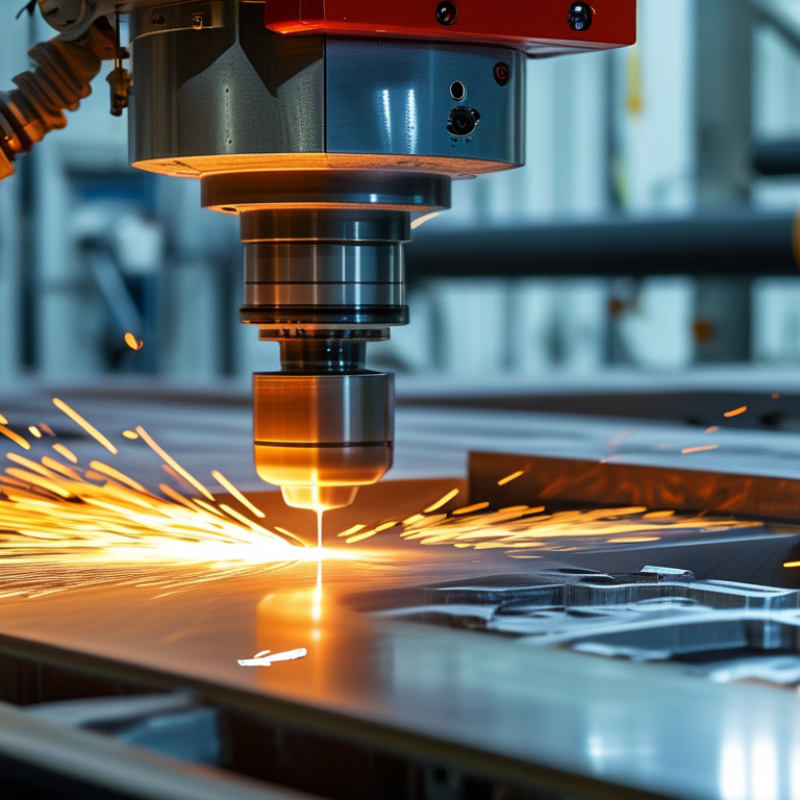
The landscape of laser surface finishing techniques in 2026 reveals a shift toward precision and efficiency. Innovations in this field emphasize reducing surface roughness while enhancing material properties. Techniques such as laser polishing and laser texturing are at the forefront. Increased focus on automation enhances repeatability and reduces human error during processing.
Tips: Always ensure proper calibration of your laser equipment. This helps maintain consistent results across different projects. Regular maintenance of the laser system can prevent unexpected downtime.
Understanding the science behind laser-matter interaction is crucial. Different materials respond variably to laser energy. Experimentation may be necessary to find the optimal parameters for each specific application. Adjustable laser settings allow for experimentation, but they also demand careful monitoring. Some challenges include achieving uniformity in finishing and managing thermal effects.
Tips: Document your findings during trials to refine your processes. This aids in developing reliable techniques over time. Stay updated on emerging technologies to further enhance quality and efficiency.
Key Laser Technologies for Enhanced Surface Finishing Performance
Laser surface finishing has gained immense popularity due to its ability to improve a variety of materials. One key technology is laser ablation, which removes unwanted material with precision. This method enhances surface texture, improving adhesion and wear resistance. It is particularly useful in aerospace and automotive applications where performance is critical.
Another significant technique is laser polishing. This process refines surfaces to a mirror finish, reducing friction and wear. It can optimize the performance of components in high-stress environments. However, achieving the desired finish can sometimes be challenging. Factors like material type and laser settings must be finely tuned. Attention to detail is vital for success.
Moreover, laser cleaning is emerging as an effective method to prepare surfaces before finishing. It removes contaminants without damaging underlying materials. Yet, the process requires careful consideration of power levels and speed. Miscalculations can lead to inadequate cleaning or surface damage. Continuous testing and adjustments are essential to refine these techniques for best outcomes.
2026 Top Laser Surface Finishing Techniques for Enhanced Performance
This chart illustrates the performance ratings of various laser surface finishing techniques projected for 2026. Each technique is rated on a scale from 1 to 10, highlighting their effectiveness in enhancing surface performance.
Applications of Laser Surface Finishing in Various Industries
Laser surface finishing has emerged as a transformative technology across various industries. In automotive manufacturing, laser treatments enhance the durability of components. This process significantly reduces wear and tear on critical parts. A precise laser beam removes surface imperfections, resulting in improved friction characteristics. The automotive sector experiences extended component life due to these advancements.
In the aerospace industry, laser finishing is crucial for ensuring safety. It helps in creating smooth surfaces that can withstand extreme conditions. Parts subjected to high stress are often processed with lasers for enhanced performance. The technology also contributes to reduced fuel consumption. However, the transition to laser finishing poses challenges. Companies may struggle with integrating new technologies into existing workflows.
The medical field has also benefited. Laser surface finishing improves the biocompatibility of implants. Smooth surfaces reduce the risk of infection and promote healing. Yet, manufacturers must ensure quality control throughout the process. Flaws in finishing could lead to serious complications for patients. The adoption of laser techniques requires careful consideration and validation. Each industry faces unique obstacles that warrant reflection on best practices and potential improvements.
2026 Top Laser Surface Finishing Techniques for Enhanced Performance
| Technique |
Industry |
Application |
Benefits |
| Laser Peening |
Aerospace |
Enhancing fatigue resistance in components |
Increases component lifespan and reliability |
| Laser Ablation |
Medical Devices |
Surface cleaning and material removal |
Ensures high precision and reduces contamination |
| Laser Hardening |
Automotive |
Tempering of tools and gears |
Improves wear resistance and durability |
| Laser Texturing |
Consumer Electronics |
Creating textured surfaces for enhanced grip |
Increases user comfort and aesthetic appeal |
| Laser Welding |
Manufacturing |
Joining of dissimilar materials |
Strong welds with minimal heat distortion |
Comparative Analysis: Laser Finishing vs. Traditional Finishing Methods
Laser finishing techniques have gained traction due to their precision and efficiency. Traditional finishing methods often rely on manual processes, which can vary in quality and consistency. A recent industry report indicated that laser finishing offers a 30% improvement in surface quality compared to conventional methods. This significant enhancement leads to better performance in applications such as aerospace and automotive components.
While laser finishing reduces the need for physical contact, it also presents challenges. The initial setup costs for laser systems can be higher than traditional approaches, with an investment that may deter some companies. Furthermore, not all materials respond well to laser treatment. Research suggests that for certain metals, laser methods can cause unintended heat effects, potentially compromising material integrity.
Despite these limitations, the speed of laser finishing often compensates for its downsides. A study noted that production time can be cut by up to 40%. This efficiency allows manufacturers to meet tight deadlines. In sectors where time is critical, the trade-off often favors laser techniques, despite potential pitfalls. The choice between laser and traditional methods reflects a complex decision-making process in manufacturing.
Future Trends and Innovations in Laser Surface Finishing Techniques
Laser surface finishing is rapidly evolving. The techniques currently in use are becoming increasingly sophisticated.
Recent reports indicate a 15% increase in efficiency
with newer laser technologies. Companies that adopt these innovations can enhance product durability and performance.
Emerging trends focus on precision and adaptability. Emerging multi-functional laser systems can perform multiple tasks within tight tolerances.
According to industry forecasts, the global laser technology market is expected to reach $15 billion by 2026.
This growth stems from the demand for more efficient and sustainable manufacturing processes.
Tip: Consider investing in training for your team to fully leverage new technologies.
Their knowledge will be crucial for integrating these advanced laser systems smoothly. Regular updates and maintenance should not be overlooked.
Staying informed can help identify potential inefficiencies early on.
Being adaptable is vital in this rapidly changing landscape, where techniques improve almost daily.