China Top Laser Cladding Solutions for Global Buyers?
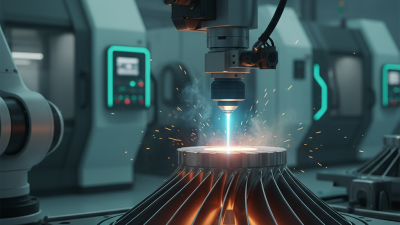
Laser Cladding is becoming a vital technology in various industries, particularly in manufacturing and aerospace. According to a recent report by MarketsandMarkets, the global laser cladding market is expected to reach USD 2.5 billion by 2026, growing at a compound annual growth rate (CAGR) of 8.5%. This growth reflects the increasing demand for efficient and precise coating solutions, emphasizing the significant role of laser cladding in enhancing product durability and performance.
China stands at the forefront of laser cladding technology, with companies investing heavily in research and development. The country accounted for over 30% of the global market share in 2022, as reported by Statista. These numbers reveal China’s commitment to advancing its laser technology capabilities. However, the industry's fast-paced growth has its challenges, such as maintaining quality standards and skilled labor shortages.
The innovation landscape in laser cladding is also evolving. While new techniques emerge, there is a critical need for robust quality control measures to prevent inconsistencies. As businesses look to adopt these solutions, it is essential to weigh the benefits against potential drawbacks. The journey forward in laser cladding technology will require not just expertise but also a willingness to adapt and reflect on past practices.
Overview of Laser Cladding Technology in China
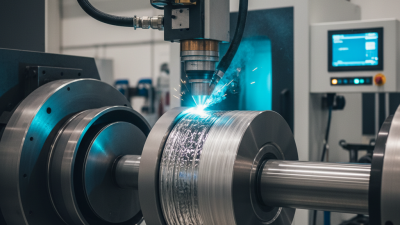
Laser cladding technology in China has rapidly gained recognition on the global stage. This method involves applying a melting layer of metal onto materials to improve surface properties. According to a recent industry report, the Chinese laser cladding market is projected to grow at a compound annual growth rate (CAGR) of over 15% from 2023 to 2028. This growth reflects the rising demand for enhanced materials in various industries, including aerospace, automotive, and energy.
China is home to several leading companies researching and developing innovative laser cladding solutions. They offer customized services tailored to specific client needs. However, despite advancements, challenges remain. The quality of coatings can vary due to inconsistent material selections and varying operational parameters. Fluctuations in equipment precision may affect the final product quality. As the industry matures, there is a growing need for standardized practices to ensure reliability and consistency.
The ability to process diverse substrates makes laser cladding appealing. Reports indicate significant improvements in wear resistance and corrosion resistance for treated materials. However, lingering issues like energy consumption and processing time could hinder widespread adoption. Further research is essential to address these challenges and optimize performance, ensuring the technology can meet future demands effectively.
Key Players in China's Laser Cladding Industry
In recent years, China's laser cladding industry has seen significant growth. This technology is widely used in various sectors, including aerospace, automotive, and manufacturing. Key players in the industry focus on advancing the technology to enhance efficiency and quality.
Top companies specialize in different laser cladding techniques. They are investing in research and development to innovate their processes. This ensures they stay competitive globally. Many firms emphasize improving production speed and reducing costs. Yet, challenges remain in achieving consistency and quality across all operations.
Tips: Consider collaborating with local experts when exploring
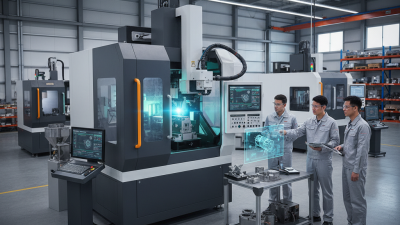
laser cladding options in China. Their insights can help navigate the complex landscape. Additionally, it's crucial to evaluate the technological capabilities of potential partners thoroughly. Not every player will meet the quality standards expected by global buyers.
As the industry evolves, expectations are high. Buyers need to be vigilant.
Continuous improvements must be a priority, both for suppliers and buyers. The focus on
sustainability also shapes future developments in laser cladding technology. Evaluating environmental impacts can lead to better choices and practices.
Applications of Laser Cladding Solutions in Various Sectors
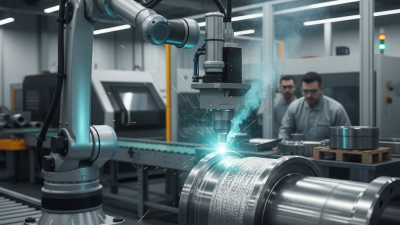
Laser cladding is gaining traction across various industries due to its versatility. This method enhances surface properties for wear, corrosion, and thermal resistance. It’s widely used in aerospace, automotive, and energy sectors. These applications require high precision and reliability. The ability to repair and protect components extends their lifespan significantly.
In aerospace, laser cladding is crucial for turbine blades. These components endure extreme conditions. By applying a protective layer, the durability increases, leading to better efficiency. The automotive sector uses it for repairing gears and shafts. This technique can save costs and resources.
Industries face challenges, including optimizing techniques and material choices. In energy production, laser cladding improves the lifespan of machinery. Components are under constant stress and wear. The right cladding material can enhance performance significantly. However, process parameters need careful adjustment. Improper settings can lead to poor adhesion. Continuous research is essential to refine these applications and overcome existing limitations.
Comparative Analysis of Global Laser Cladding Providers
When exploring global laser cladding providers, it’s essential to compare their technologies and approaches. Laser cladding is a complex process involving precise layering of materials. Each provider has its unique strengths and weaknesses. Evaluating these can reveal much about their capabilities.
Some manufacturers highlight advanced laser systems that ensure exceptional precision in cladding. Others may focus on cost-effectiveness, sacrificing some quality. This trade-off makes it crucial for buyers to rethink their priorities. Regional differences also play a role. Some countries have established strong reputations in laser technology, while others are rapidly emerging.
Customer support is another area to consider. Top providers offer extensive training for equipment. This ensures proper use, enhancing results. However, not all offer the same level of after-sales support. A provider’s willingness to assist can significantly impact long-term satisfaction. As buyers navigate this competitive landscape, a thorough analysis is vital.
China Top Laser Cladding Solutions for Global Buyers - Comparative Analysis of Global Laser Cladding Providers
| Provider Region |
Technology Type |
Max Laser Power (kW) |
Material Compatibility |
Average Lead Time (weeks) |
Customer Satisfaction Rating |
| Asia |
Fiber Laser Cladding |
6 |
Steel, Alloy |
4 |
4.5 |
| Europe |
CO2 Laser Cladding |
10 |
Titanium, Copper |
5 |
4.7 |
| North America |
Diode Laser Cladding |
8 |
Aluminum, Nickel |
6 |
4.2 |
| South America |
Solid-State Laser Cladding |
5 |
Carbide, Ceramic |
7 |
4.0 |
Future Trends and Innovations in China's Laser Cladding Solutions
China has emerged as a leader in laser cladding solutions, driven by continuous innovation and technological advancements. This process enhances the surface properties of materials, making them more durable and resistant to wear. The focus on sustainability is reshaping the industry, encouraging more eco-friendly practices in production methods. Companies are investing in research to create more efficient and precise laser systems.
Emerging trends showcase the integration of artificial intelligence in laser cladding. AI helps optimize parameters in real-time, reducing waste and improving quality. Moreover, advancements in material science are enabling the use of novel cladding materials, expanding application ranges. However, challenges remain regarding cost-efficiency and accessibility for smaller enterprises.
Collaboration between academia and industry is key. It fosters innovation and ensures that new technologies are practical. While rapid advancements are promising, the industry must address issues like standardization and training. Ensuring that skilled personnel are available is crucial for sustained growth. Balancing innovation with practical implementation will define the future of laser cladding in China.