Top Tips for Effective Laser Surface Engineering Techniques?
Laser Surface Engineering is revolutionizing material treatment processes. With advancements in technology, industries are increasingly relying on these techniques to enhance surface properties. These methods improve wear resistance, corrosion resistance, and overall durability. They also enable precise alterations to microscopic structures.
Effective implementation of Laser Surface Engineering requires a deep understanding. Engineers must consider various factors such as laser type, power settings, and material properties. Each project presents unique challenges. For example, achieving optimal results often involves trial and error. It demands a careful balance of speed, energy, and accuracy.
The application of these techniques can significantly improve manufacturing efficiency. However, there are inherent complexities that must be acknowledged. Not every attempt results in success. Misjudgments can lead to surface flaws or suboptimal performance. Continuous learning and adaptation are essential for mastering Laser Surface Engineering, as this field is always evolving.
Understanding Laser Surface Engineering Principles
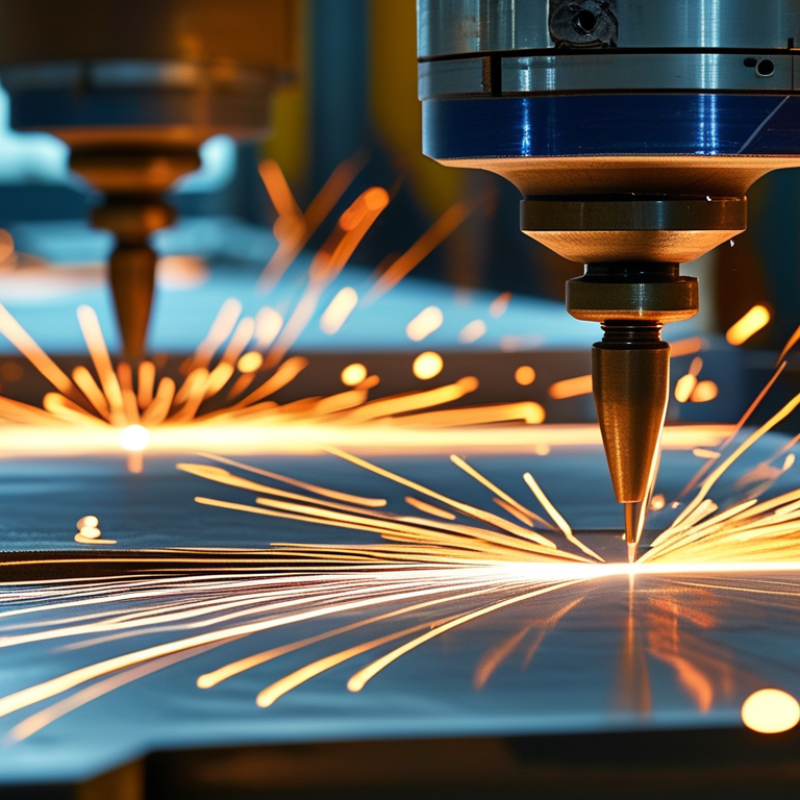
Laser surface engineering plays a vital role in enhancing material properties. This technique improves wear resistance and fatigue life. Understanding the principles behind laser surface engineering is crucial for its effective application. It involves interactions between laser light and material surfaces. The right parameters crucially impact the outcome.
One tip for successful laser surface treatment is to choose the correct laser type. Different materials respond uniquely to various wavelengths. Also, adjusting the focus of the laser can greatly improve results. Make sure to conduct preliminary tests on scrap materials. This allows for better assessment before final implementation.
Another important aspect is monitoring the cooling rate post-treatment. The rate affects residual stresses in the material. If cooling is too rapid, cracks may form. Observing this closely ensures the desired mechanical properties are achieved. Experimenting with various cooling processes may lead to better outcomes. Perfecting these techniques is an iterative process, often requiring reflection and adjustment.
Key Techniques for Effective Laser Surface Modification
Laser surface modification is transforming various industries through its precise and efficient techniques. According to a study from the International Journal of Advanced Manufacturing Technology, a notable 70% improvement in wear resistance has been observed in surfaces treated with laser techniques compared to untreated surfaces. This enhancement is crucial for components exposed to high stress and abrasive conditions.
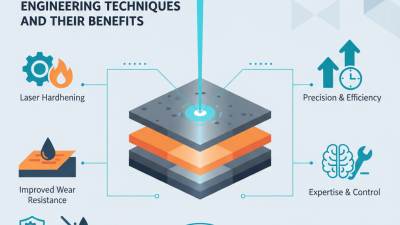
There are several effective techniques in laser surface engineering. One popular method is laser hardening, which alters the microstructure of the surface layer. This process increases hardness significantly. Studies show that this method can boost lifespan by up to 50% for industrial parts.
Another technique is laser cladding, used to apply coatings that enhance corrosion resistance. However, its accuracy can vary. Sometimes, it leads to excessive buildup if not carefully controlled.
Research indicates that 30% of laser treatments may not achieve optimal results due to improper settings or material mismatches. Professionals must assess each scenario meticulously. Despite the promise of laser surface modification, there is still room for improvement in technique precision and understanding material interactions. Continuous professional development is necessary to harness the full potential of these advanced methods.
Selecting the Right Laser Parameters for Optimal Results
Selecting the right laser parameters is crucial for effective laser surface engineering. Every material reacts differently to laser treatment. Therefore, understanding the specific characteristics of the material you are working with is essential. Factors such as absorption rate and thermal conductivity play significant roles in achieving optimal results.
Adjusting the laser power is one of the critical parameters. Too much power can lead to excessive melting, while too little may fail to achieve the desired surface modifications. Pulse duration is another important factor. Short pulses can enhance surface precision, while longer pulses allow for deeper penetration. Experimentation often reveals the ideal balance for different applications.
Keep in mind that achieving perfect settings on the first attempt is rare. Observing the material’s coloration, texture, and even microscopic defects can provide feedback for adjustments. Continuous refinement based on each trial can lead to significant improvements. Thus, embrace the iterative nature of this process as it develops your expertise in laser surface engineering.
Top Tips for Effective Laser Surface Engineering Techniques
| Parameter |
Optimal Range |
Impact on Surface Quality |
Recommended Technique |
| Laser Power (W) |
100 - 500 |
Increased power leads to deeper penetration but can cause overheating. |
Pulse Laser Technique |
| Scan Speed (mm/s) |
10 - 30 |
Higher speeds reduce heat-affected zones but may decrease treatment efficiency. |
Raster Scanning Technique |
| Pulse Duration (ns) |
5 - 20 |
Shorter pulses reduce heat affected zone, preserving substrate integrity. |
Ultrafast Laser Technique |
| Focal Spot Diameter (µm) |
20 - 100 |
Smaller diameters provide higher precision but lower energy distribution. |
Focused Beam Technique |
| Gas Type |
Oxygen, Nitrogen |
Oxygen increases oxidation for enhanced surface hardening; Nitrogen reduces oxidation. |
Assisted Gas Technique |
Common Challenges and Solutions in Laser Surface Engineering
Laser surface engineering offers innovative ways to enhance material properties. However, several challenges can arise during the process. One common issue is achieving the desired degree of surface modification. This often requires precise control over the laser parameters, including power, speed, and focus. Small deviations can lead to suboptimal results. Engineers must carefully calibrate these settings to avoid unsatisfactory outcomes.
Another significant challenge is thermal effects. The heat generated by the laser can cause unintended changes to material properties. This can result in warping or other thermal distortions. To manage this, techniques such as scanning strategies or cooling methods can be employed. However, the effectiveness of these strategies may vary depending on the material type and thickness. Experimentation and thorough testing are crucial to find the right balance.
Finally, achieving uniformity across larger surfaces can be difficult. Inconsistent laser application can create variations that affect the overall performance. Addressing this requires advanced scanning technologies and regular maintenance of equipment. Continuous monitoring and adjustments are essential to ensure quality outcomes. Adapting techniques based on feedback can improve results over time.
Future Trends in Laser Surface Engineering Technologies
The landscape of laser surface engineering is rapidly evolving. Advances in technology drive efficiency and precision in applications. Emerging techniques focus on enhancing material properties and extending the lifespan of components. Innovative laser patterns and beam shapes offer tailored solutions for various industries. Research shows promising outcomes in wear resistance and fatigue strength.
Future trends highlight the integration of AI in laser surface engineering. Machine learning can optimize parameters in real time. This leads to better outcomes and reduced waste. There are challenges, though. Understanding the feedback between laser settings and material responses remains complex. Some practitioners still struggle to implement these tools effectively.
Sustainability is another key focus. Laser surface processes can reduce environmental impact by using less energy. However, balancing cost and innovation is crucial. Some laser techniques may not yet be cost-effective for all applications. Achieving a wider adoption may require further breakthroughs.
As technologies advance, ongoing research and collaboration among experts will be essential. The path forward is promising but not without hurdles. Emphasis on continuous improvement in techniques and processes will lead to a more sustainable future in this field.