Why Choose Laser Cladding for Your Manufacturing Needs?
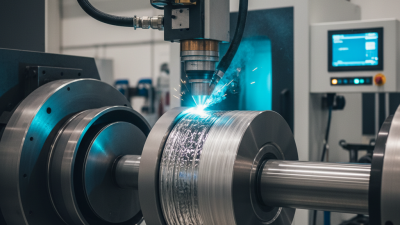
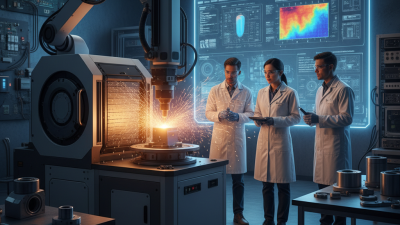
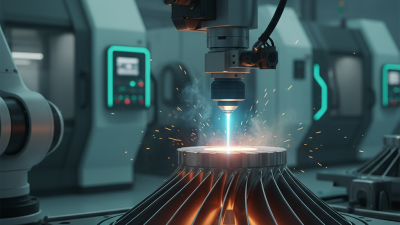
In today's competitive manufacturing landscape, companies are constantly seeking innovative solutions. One technology that stands out is Laser Cladding. This method involves applying a layer of material to a surface using high-energy laser beams. The result is a strong, durable surface that improves wear resistance and extends the lifespan of components.
Many manufacturers have turned to Laser Cladding for its efficiency and precision. This technique not only enhances product quality but also reduces material waste. It allows for the repair of worn-out parts, saving both time and costs. However, understanding its applications can be complex. Businesses must weigh the benefits against potential challenges, such as equipment costs and the need for skilled operators.
Choosing Laser Cladding can be a transformative decision. It can elevate manufacturing processes and achieve superior results. Yet, it is crucial to analyze specific needs and goals. Each application may highlight different advantages, and careful consideration is essential for success.
Benefits of Laser Cladding in Modern Manufacturing Processes
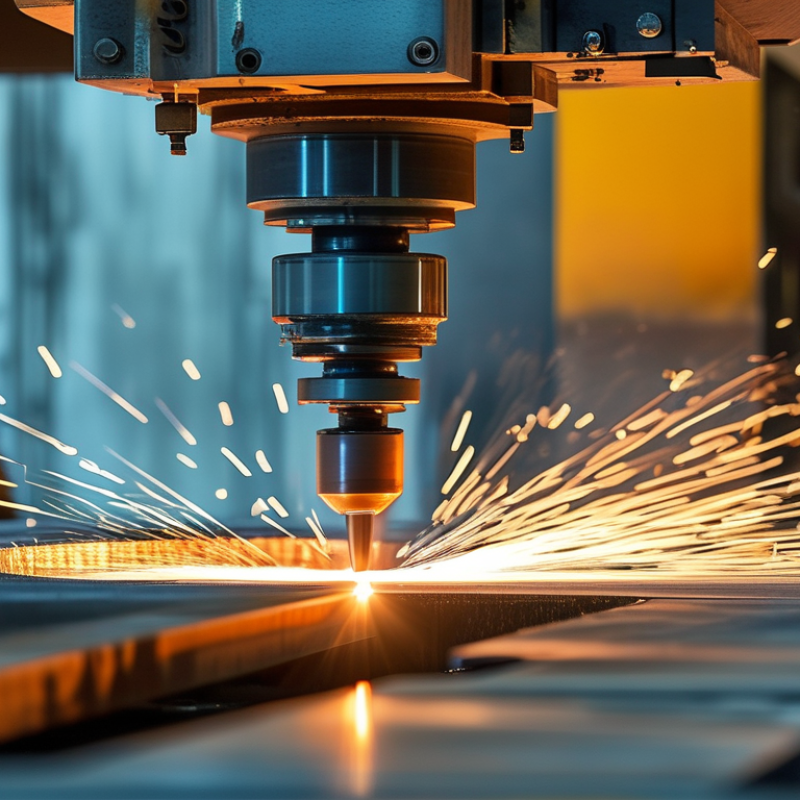
Laser cladding is becoming a game changer in modern manufacturing. This advanced technique uses focused laser beams to add materials to parts. It enhances the properties of existing components. The result is a durable, wear-resistant surface.
One significant benefit of laser cladding is precision. Manufacturers can achieve intricate designs with high accuracy. The control over the heat input allows for minimal distortion. This precision reduces the need for extensive post-processing. It streamlines manufacturing and saves time.
However, implementing laser cladding requires skilled operators. Knowledge of the process is essential to avoid errors. If not managed correctly, issues like thermal stress can arise. Reflecting on these challenges helps manufacturers refine their methods. Balancing automation with skilled labor becomes crucial in maximizing efficiency.
Key Applications of Laser Cladding in Various Industries
Laser cladding has gained traction across various industries for its unique ability to enhance material properties. In automotive manufacturing, for example, it is used to improve the durability of engine components. This method applies a melted layer of material onto a substrate, creating a wear-resistant surface. The result? Extended wear life and reduced maintenance costs.
In the aerospace sector, laser cladding plays a crucial role in repairing turbine blades. These components face extreme heat and pressure during operation. By adding a cladding layer, engineers can restore their functionality and extend their operational life. This not only conserves resources but also reduces the environmental impact by minimizing waste.
The oil and gas industry utilizes laser cladding to protect drilling equipment from corrosion and erosion. This protection translates to increased safety and reliability in harsh environments. However, challenges exist. Selecting the right materials and ensuring optimal adhesion can be complex. Industries must continuously evaluate these factors to maximize the benefits while minimizing failures. Understanding the intricacies of this technology is vital for effective application.
Comparative Analysis: Laser Cladding vs. Traditional Coating Methods
Laser cladding offers several advantages over traditional coating methods, especially in enhancing surface properties. Unlike conventional coatings, laser cladding allows for precise material application. This results in better adhesion and significantly improved wear resistance. It uses a high-energy laser to fuse materials onto a substrate, ensuring a seamless bond.
Traditional methods often struggle with uniformity. The coatings can be uneven, leading to potential failure points. In contrast, laser cladding provides a uniform thickness, which increases durability and performance. The process also minimizes thermal distortion, important for maintaining the integrity of complex geometries.
Tips: Consider the type of materials involved. Laser cladding may not be suitable for all substrates. Always assess the specific requirements of your project. Additionally, evaluate cost-effectiveness—while initial investments can be higher, long-term benefits may justify expenses. It's essential to weigh the pros and cons based on your manufacturing needs. Laser cladding is not a one-size-fits-all solution; careful consideration is required to ensure optimal outcomes.
Technical Aspects and Innovations in Laser Cladding Technology
Laser cladding technology has gained traction due to its remarkable advantages. This advanced process enhances the surface properties of materials. With a precision that traditional methods often lack, laser cladding allows for uniform application of coatings. A report by Research and Markets indicates that the global laser cladding market is projected to reach $2.21 billion by 2026, reflecting a CAGR of 7.6%. Such growth highlights its importance in manufacturing.
One technical innovation in this field is the introduction of multi-layer cladding. This method involves applying multiple coatings to enhance wear resistance. For instance, the aerospace industry uses this technique to prolong the life of engine components. However, challenges remain. The process requires strict control of laser parameters and material compatibility. Deviations can lead to defects in adherence and microstructure, impacting overall performance.
Another key aspect is the integration of AI in laser cladding systems. Machine learning algorithms can optimize operational settings in real-time. This ensures improved consistency in cladding applications. However, reliance on automation raises concerns about skill gaps in the workforce. Training remains essential to harness the full potential of these innovations while mitigating risks associated with technology dependence.
Why Choose Laser Cladding for Your Manufacturing Needs?
| Aspect |
Details |
| Process Definition |
Laser cladding is an additive manufacturing process that uses a laser to melt materials, typically metallic powders or wires, to create a layer on a substrate. |
| Materials Used |
Common materials include stainless steel, nickel alloys, and titanium in powder or wire form. |
| Applications |
Used in aerospace, automotive, and manufacturing for surface enhancement, wear resistance, and repair of components. |
| Advantages |
Improved durability, reduced material waste, ability to coat complex geometries, and enhanced performance characteristics. |
| Innovations |
Advancements include multi-beam lasers, hybrid manufacturing systems, and improved automation for precise control. |
| Cost Efficiency |
Laser cladding can reduce overall production costs by minimizing material waste and decreasing the need for extensive post-processing. |
| Environmental Impact |
Energy-efficient process with reduced emissions compared to traditional welding and coating methods. |
Cost-Effectiveness and Efficiency of Laser Cladding Solutions
Laser cladding has become an essential solution in modern manufacturing. This technique enhances existing materials by applying a layer of alloy or metal, improving wear resistance and durability. Cost-effectiveness stems from its precise application, reducing waste significantly. By using laser technology, manufacturers can optimize resources and minimize production costs.
Efficiency is another critical advantage of laser cladding. The rapid process allows for quick repairs and modifications, which can be crucial in time-sensitive projects. Moreover, the ability to work with various materials adds flexibility in designs. However, it’s essential to consider the equipment investment. High initial costs can deter some businesses.
Despite these challenges, the long-term benefits often outweigh the upfront expenses. Companies need to evaluate their specific needs. Assessing whether laser cladding aligns with production goals is vital. This technology is promising but requires careful thought to maximize its potential.