How to Achieve Optimal Metallurgical Bonding in Cladding?
Achieving optimal metallurgical bonding in cladding processes is crucial for manufacturing high-performance materials. Dr. Sarah Johnson, a leading expert in Metallurgical Bonding Cladding, emphasizes, “The quality of the bond directly impacts the durability and performance of the final product.” This statement underscores the importance of understanding the factors that influence bonding during cladding.
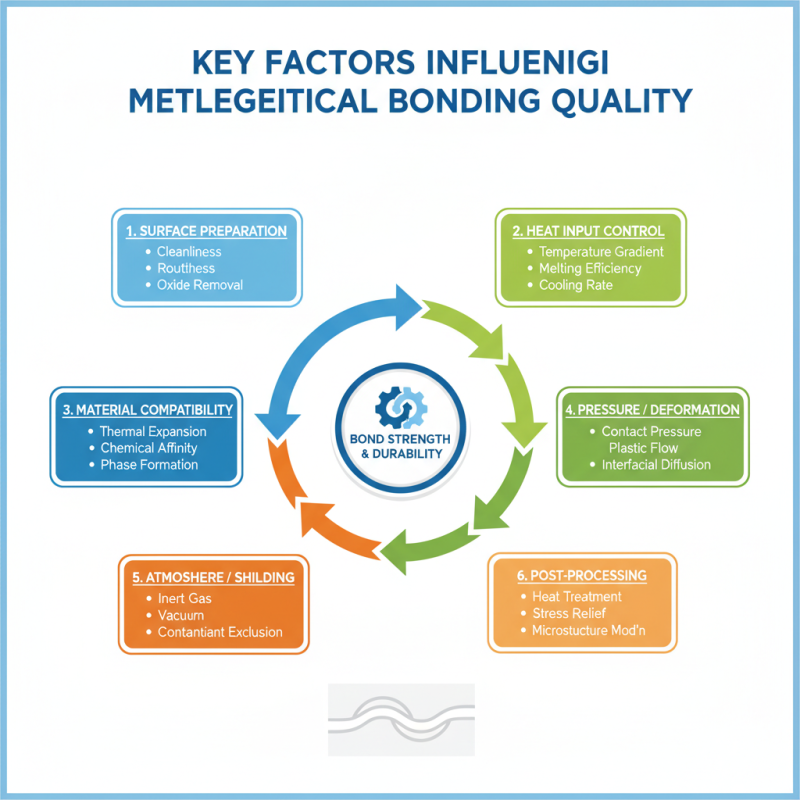
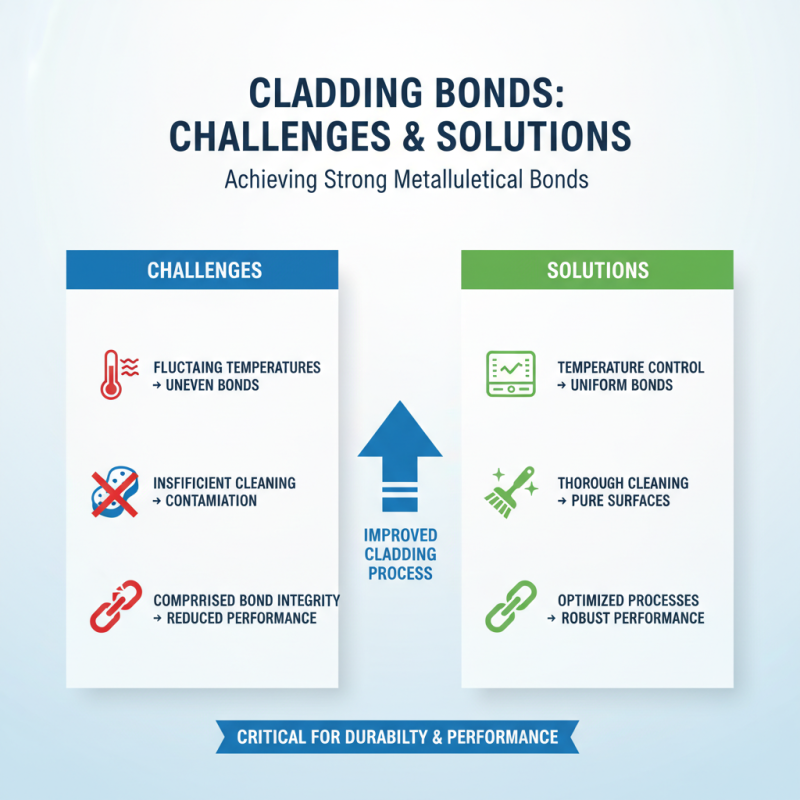
In the realm of Metallurgical Bonding Cladding, several variables come into play. Temperature, pressure, and material composition significantly affect the bonding integrity. For instance, inadequate heat application can lead to weak bonds and compromised performance. Additionally, surface cleanliness is essential. Any contaminants can result in failures, prompting a need for rigorous quality control measures.
While advancements continue in this area, challenges remain. Lowering costs while ensuring high-quality bonds is a delicate balance. As the industry evolves, refining techniques and exploring innovative materials will be necessary. Understanding these complexities is vital for engineers and manufacturers striving for excellence in Metallurgical Bonding Cladding.

Understanding Metallurgical Bonding in Cladding Techniques
Metallurgical bonding in cladding techniques is essential for ensuring durability and performance. Understanding the methods that achieve optimal bonding can significantly enhance material properties.
According to industry reports, nearly 60% of failures in cladded components stem from poor bonding integrity. This highlights the need for effective techniques that can secure optimal metallurgical bonds.
One key aspect is temperature control during the cladding process. Inadequate heat can lead to insufficient fusion, while excessive heat may cause detrimental intermetallic compounds. Recent studies indicate that maintaining a temperature range of 1200 to 1400°C can maximize bonding efficiency.
Monitoring the cooling rate is equally critical. Rapid cooling often traps residual stresses, potentially weakening the joint.
Additionally, the choice of filler material plays a significant role in bonding success. A mismatch in thermal expansion rates can lead to early failure.
Industry experts advise conducting extensive tests on compatibility between base and filler materials. Despite the clear indicators, some manufacturers still overlook these critical factors, leading to subpar results.
Reflecting on these challenges can guide improvements in the cladding process.
Methods for Enhancing Bonding in Cladding Processes
Achieving optimal metallurgical bonding in cladding processes is essential for durability and performance. Various methods are available to enhance bonding effectiveness. Techniques such as surface preparation play a crucial role. Studies indicate that proper surface cleaning increases bonding strength by up to 40%. Abrasive cleaning, followed by chemical treatment, can provide a roughened surface for better adhesion.
Furthermore, the selection of appropriate parameters during cladding is vital. Parameters like temperature, pressure, and speed should be carefully controlled. For pipe cladding, a temperature range of 300°C to 600°C is often recommended. This temperature promotes the diffusion of materials, enhancing bonding. However, inconsistencies in these parameters can lead to weak spots in the bond. Research highlights that improper temperature can reduce bonding quality by nearly 30%.
In addition, adjusting the chemical composition of filler materials can improve bonding. Studies show that using fillers with a similar thermal expansion coefficient to the base materials can mitigate thermal stresses. This approach can enhance joint longevity. Nonetheless, experimentation and continuous reflection on the bonding processes are necessary. Achieving a consistent and strong bond remains a significant challenge in the industry, demanding ongoing innovation and refinement.
Evaluating the Success of Metallurgical Bonds in Cladding Applications
Achieving optimal metallurgical bonding in cladding is crucial for performance and durability. Evaluating the success of metallurgical bonds involves examining factors such as bond strength, microstructure, and corrosion resistance. Industry reports indicate that over 30% of failures in cladding applications arise from inadequate bonding. A strong bond is essential in preventing delamination and ensuring longevity.
To assess the quality of these bonds, different techniques are employed. One effective method is scanning electron microscopy (SEM), enabling detailed observation of bonding interfaces. Another is the use of tensile testing to quantify bond strength. Recent studies show that bonds with a tensile strength above 300 MPa are generally considered reliable in critical applications.
Tip: Always control the temperature during the cladding process. Incorrect thermal management can lead to weak bonds. Monitoring this factor can reduce defect rates by as much as 25%.
Reflecting on challenges is vital. Sometimes, even with the right techniques, bonds may fall short. For instance, contamination at the bonding interface is often overlooked. Regular inspections and process adjustments are necessary for maintaining quality.
Tip: Keep a detailed log of your bonding parameters. This record can help identify patterns in failures, leading to timely corrections.
How to Achieve Optimal Metallurgical Bonding in Cladding?
This chart illustrates the success rates of different factors influencing metallurgical bonding in cladding applications. The data shows the percentage of optimal bonding achieved with varying temperature and pressure conditions.